
After we’ve helped you (hopefully) find that country/place to live, you might be wanting to build a house.
Maybe you are dreaming of escaping the hustle and bustle of city life and living in a cozy, rustic home nestled in the woods? If so, you might be considering building a log home or log cabin. These natural, woodsy structures offer unique charm and character, as well as a connection to the natural environment. But with so many options out there, it can be tough to decide which is right for you.
Never fear! In this guide, we’ll explore the differences between log homes and log cabins, and help you decide which is the best fit for your needs and lifestyle. Whether you’re looking for a full-time residence, a vacation retreat, or something in between, we’ve got you covered. So grab a mug of hot cocoa (or your drink of choice), get comfy, and let’s dive in!
A little side note, or a disclaimer (if you will) before we continue: This article is mostly based on US authorities and best practices in the US, you will of course have to do a bit of research if you live outside of it, but in general, this should hold true.
Size and Layout:
“Log Homes vs. Log Cabins: Understanding the Differences in Size and Layout”
One of the most obvious differences between log homes and log cabins is size. Log homes are typically larger, more spacious structures that are meant to be primary residences. They may have multiple levels, bedrooms, bathrooms, and other amenities, and are often built with long-term living in mind. Log cabins, on the other hand, are smaller, more rustic structures that are often used as vacation homes or retreats. They may have just one or two rooms, and may be more basic in terms of amenities and features.
Now, we’re not saying that log homes are mansion-sized behemoths and log cabins are tiny hovels. There’s a wide range of sizes within both categories, and you can find log homes and cabins in all shapes and sizes to fit your needs and budget. But in general, log homes tend to be larger and more spacious, while log cabins are smaller and more compact.
When it comes to layout, log homes may have a more traditional design, with separate rooms for living, sleeping, and entertaining. This can be a great option if you have a big family, lots of guests, or just like the feeling of separate spaces. Log cabins, on the other hand, may have a more open layout, with a single, multi-purpose space that serves as the living, dining, and sleeping area. This can be a great option if you prefer a more open, airy feel, or if you’re just looking for a simple, low-maintenance retreat.
Type of Wood:

“Log Homes vs. Log Cabins: Choosing the Right Type of Wood”
Another difference between log homes and log cabins is the type of wood used in construction. Log homes are usually built with larger logs, which provide greater structural stability and insulation. These logs may be milled, or processed in a way that removes the bark and smooths out the surface. Milled logs are typically easier to work with and produce a more uniform appearance, but they may also be more expensive. Log cabins, on the other hand, may be built with smaller, round logs that are left in their natural state. These logs may be less expensive, but they may also require more maintenance and may not be as energy efficient as milled logs.
So which is the best choice for you? It really comes down to personal preference and budget. Milled logs may be more expensive, but they may also offer
greater energy efficiency and a more polished appearance. They’re also easier to work with, so if you’re planning on doing some of the construction yourself, milled logs may be the way to go. On the other hand, if you’re looking for a more rustic, natural look, or if you’re on a tight budget, round logs may be the way to go. Just keep in mind that they may require more maintenance and may not be as energy efficient as milled logs.
Wood Species:
“Log Homes vs. Log Cabins: Exploring the Different Wood Species”
In addition to the type of wood (milled vs. round), you also have to decide on the wood species itself. There are several types that are commonly used in log home and cabin construction, each with their own unique characteristics. Cedar, pine, spruce, and fir are all popular choices, each with their own pros and cons.
Cedar is a durable, aromatic wood that is naturally resistant to rot and insects. It’s also a good insulator, so it can help keep your home warm in the winter and cool in the summer. Pine is a softer wood that is easy to work with, but it may not be as durable as some other species. It’s also prone to knots, which can add character, but may also make it less structurally stable. Spruce and fir are both strong, lightweight woods that are good for structural purposes. They’re also relatively inexpensive, which can be a plus if you’re on a tight budget.
When choosing a wood species, it’s important to do your research and consider the characteristics of different woods. For example, if you’re building a log home in a wet or humid climate, you might want to choose a wood species that is naturally resistant to rot, such as cedar or cypress. If you’re building a cabin in a dry, arid climate, you might want to choose a wood species that is more resistant to fire, such as pine or spruce.
It’s also important to consider the environmental impact of different wood species. Some woods, such as cedar and cypress, are sustainably harvested and have a lower environmental impact than other species. If you’re concerned about the environmental impact of your log home or cabin, you might want to choose a wood species that is sustainably harvested or certified by a reputable organization, such as the Forest Stewardship Council (FSC) or your countries equivalent to the FSC.
Working with a Contractor:
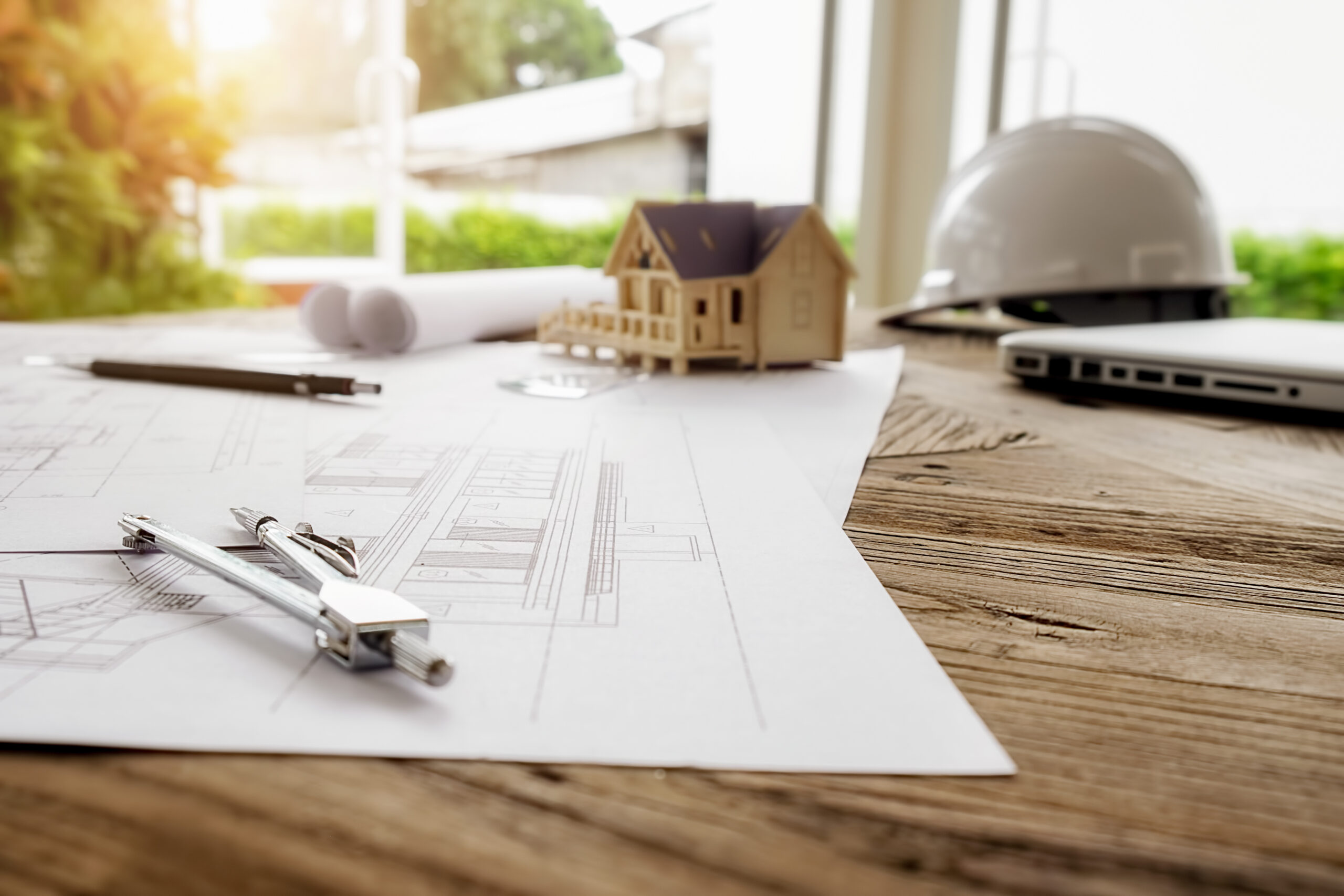
Image of engineering objects on workplace top view.Construction concept. Engineering tools.Vintage tone retro filter effect,soft focus(selective focus)
“Log Homes vs. Log Cabins: Tips for Working with a Contractor”
When building a log home or cabin, it’s important to work with a reputable contractor who has experience in this type of construction. Look for someone who has a good track record and can provide references from previous clients. You should also make sure to get a detailed contract in writing, outlining all the terms and conditions of the project. This will help protect you and ensure that your home or cabin is built to your specifications.
In addition to the contract, you should also make sure to have a clear understanding of the construction process and timeline. This will help you stay informed and ensure that the project stays on track. You should also be prepared to make decisions and choices along the way, such as choosing finishes, fixtures, and appliances.
When working with a contractor, it’s important to communicate clearly and openly. Make sure to ask questions and voice any concerns you might have. It’s also a good idea to stay involved in the process and visit the construction site regularly to check on progress and make sure everything is going according to plan.
Maintenance and Upkeep:
“Log Homes vs. Log Cabins: Tips for Maintenance and Upkeep”
Once your log home or cabin is built, you’ll need to think about maintenance and upkeep. Both types of structures require some level of maintenance to keep them in good condition, but the specific requirements will depend on the type of wood and the location of your home or cabin.
For example, if you’re building a log home or cabin in a wet or humid climate, you’ll need to be particularly vigilant about checking for rot and pests. You’ll also want to make sure that your home or cabin is properly sealed and insulated to prevent moisture from getting in and causing damage.
If you’re building a log home or cabin in a dry, arid climate, you’ll need to be more concerned about fire prevention. This might mean installing sprinklers or other fire suppression systems or using fire-resistant materials in your construction.
No matter where you’re building your log home or cabin, you’ll need to be prepared to do some regular maintenance to keep it in good condition. This might include cleaning and sealing the exterior, checking for pests, and performing regular inspections to ensure that everything is in good working order.
Fire Safety:
“Log Homes vs. Log Cabins: Tips for Fire Safety”
When building a log home or cabin, it’s important to think about fire safety. Wood is a natural, combustible material, and log homes and cabins can be particularly vulnerable to fire. That’s not to say you should be worried about your log home or cabin going up in flames every time you light a candle (although it’s always a good idea to be careful with open flames). But it’s important to take steps to protect your home or cabin from the risk of fire.
There are several things you can do to improve fire safety in your log home or cabin. One of the most important is to make sure your home or cabin is properly insulated. Proper insulation can help prevent heat from escaping in the winter, which can help reduce the risk of fires caused by faulty heating systems. It can also help keep your home or cabin cool in the summer, which can help reduce the risk of fires caused by overheated appliances or electrical systems.
Another important fire safety measure is to install smoke detectors and fire extinguishers. These can help alert you to a fire and give you the tools you need to put it out before it spreads. It’s also a good idea to have an evacuation plan in place in case of a fire. Make sure everyone in your home or cabin knows what to do and where to go in case of an emergency.
Insulation:
“Log Homes vs. Log Cabins: Tips for Insulating Your Home or Cabin”
Proper insulation is important for keeping your log home or cabin comfortable year-round and reducing your energy bills. It’s also an important fire safety measure, as we mentioned earlier. So how do you choose the right insulation for your log home or cabin?
There are several types of insulation to choose from, each with its own set of pros and cons. Here are a few options to consider:
- Fiberglass: This is the most common type of insulation, and it’s made from strands of glass that are fused together. It’s relatively inexpensive and easy to install, but it may not be as energy efficient as some other options.
- Cellulose: This type of insulation is made from recycled paper products and is treated with a fire retardant. It’s relatively energy efficient and can be a good choice for log homes and cabins, but it may be more expensive than fiberglass.
- Spray foam: This type of insulation is sprayed onto the walls, floors, and ceilings of your home or cabin and expands to fill gaps and cracks. It’s relatively energy efficient and can be a good choice for log homes and cabins, but it can be expensive to install.
Heating:
“Log Homes vs. Log Cabins: Choosing the Right Heating System”
When it comes to heating your log home or cabin, you have a few options to choose from. The type of heating system you choose will depend on your climate, budget, and personal preferences. Here are a few options to consider:
- Forced-air heating: This type of heating system uses a furnace to heat air, which is then distributed through ducts to different parts of the home or cabin. Forced-air systems are relatively inexpensive and easy to install, but they may not be as energy efficient as other options.
- Radiant floor heating: This type of heating system uses hot water or electricity to heat the floor, which in turn heats the air in the room. Radiant floor heating is relatively energy efficient and can be very comfortable, but it can be expensive to install.
- Wood stove: A wood stove can be a great option for heating a log home or cabin, especially if you have access to a steady supply of firewood. Wood stoves are relatively energy efficient and can add a cosy, rustic touch to your home or cabin. Just be sure to follow proper safety guidelines when using a wood stove, and make sure it’s installed by a professional.
- Ground heat exchange also known as geothermal heating and cooling, is a type of system that uses the constant temperature of the earth to heat and cool your home or cabin. It involves installing a series of pipes, called a “loop,” in the ground near your home or cabin. The loop is filled with a water-based fluid that absorbs heat from the earth in the winter and releases it in the summer. The system is connected to a heat pump, which circulates the fluid through the loop and transfers the heat to your home or cabin. Ground heat exchange systems are relatively energy efficient and environmentally friendly, but they can be expensive to install and may not be suitable for all locations.
- Gas heating: Uses natural gas or propane to heat your home or cabin. Several types of gas heating systems to choose from, including furnaces, boilers, and space heaters. Relatively efficient and can provide a consistent, reliable source of heat. May be more expensive to install and maintain than other types of heating systems
- Air conditioning: Helps keep your home or cabin cool and comfortable during hot or humid weather. Reduces the risk of heat-related health issues. Several types of air conditioning systems to choose from, including central air systems, window units, and portable units. Central air systems are the most common and are relatively energy efficient. Window units and portable units are less expensive and easy to install, but may not be as energy efficient
Off-Grid Electricity Generation:
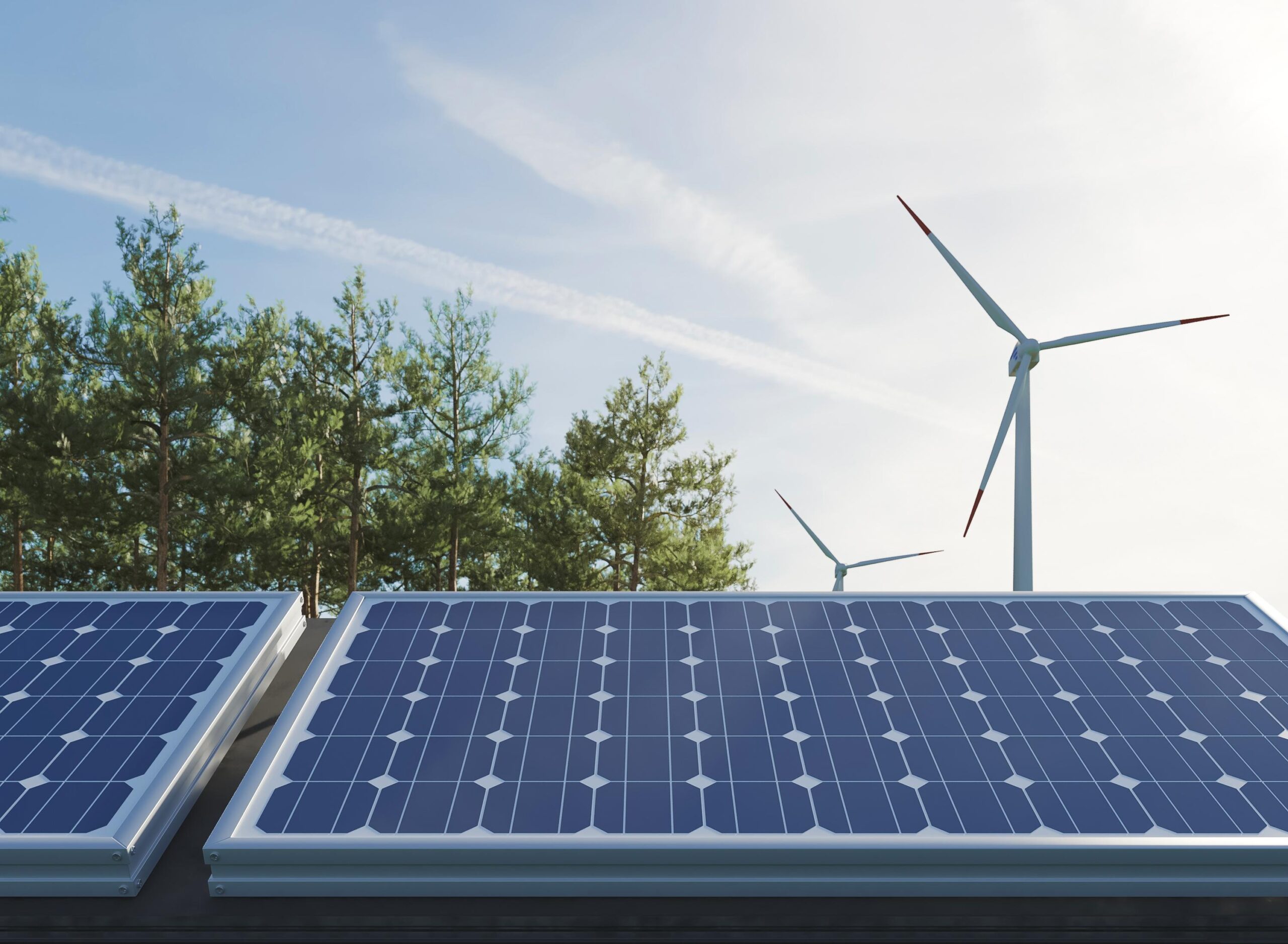
“Log Homes vs. Log Cabins: Options for Generating Your Own Electricity”
If you’re building a log home or cabin in a remote location, you may need to generate your own electricity. There are several options to choose from, each with its own set of pros and cons. Here are a few to consider:
- Solar panels: Solar panels use the energy from the sun to generate electricity. They’re relatively easy to install, environmentally friendly, and can be a good choice if you have a sunny location. Just be aware that solar panels may not generate enough electricity to power all of your appliances, so you may need to supplement with other sources of power.
Wind turbines: Wind turbines use the energy from the wind to generate electricity. They’re relatively easy to install and can be a good choice if you have a windy location. Like solar panels, wind turbines may not generate enough electricity to power all of your appliances, so you may need to supplement with other sources of power.
- Micro-hydro systems: If you have a stream or river on your property, you may be able to generate electricity using a micro-hydro system. These systems use the energy from moving water to generate electricity, and they can be relatively energy efficient. Just be aware that micro-hydro systems can be expensive to install and may not be suitable for all locations.
- Generators: If you don’t have access to solar, wind, or hydro power, you may need to rely on a generator for your electricity needs. Generators run on fossil fuels, such as gasoline or propane, and can be a good temporary solution if you don’t have access to other sources of power. Just be aware that generators can be noisy and may not be as environmentally friendly as other options.
No matter which option you choose, it’s important to do your research and make an informed decision. Consider your location, budget, and energy needs when choosing an off-grid electricity generation system for your log home or cabin.
Conclusion:
“Log Homes vs. Log Cabins: Making the Right Decision for You”
So, which is the right choice for you – a log home or a log cabin? Ultimately, it comes down to your personal preferences, budget, and needs. If you’re looking for a full-time residence with plenty of space and amenities, a log home might be the way to go. On the other hand, if you’re looking for a simple, low-maintenance retreat or vacation home, a log cabin might be a better fit.
No matter which type of structure you choose, there are some key considerations to keep in mind. Make sure to choose the right size and layout for your needs, and think carefully about the type of wood and wood species you want to use. It’s also important to work with a reputable contractor and get a detailed contract in writing to ensure that your home or cabin is built to your satisfaction.
Once your log home or cabin is built, don’t forget to plan for maintenance and upkeep. This will help ensure that your home or cabin stays in good condition for years to come.
So there you have it – a comprehensive guide to log homes and log cabins! We hope this article has helped you understand the differences between these two types of structures and make an informed decision about which is right for you. Whether you choose a log home or a log cabin, we wish you all the best in your journey to rustic living!
References:
- “Log Home Basics.” (n.d.). The Log Home Council. Retrieved from https://www.loghomecouncil.org/log-home-basics/
- “Log Home Maintenance Tips.” (2019, June 25). Log Home Living. Retrieved from https://www.loghomeliving.com/log-home-maintenance-tips/
- “Types of Wood for Log Homes.” (n.d.). Log Home Living. Retrieved from https://www.loghomeliving.com/types-of-wood-for-log-homes/
- “Sustainable Wood Certification.” (n.d.). Forest Stewardship Council. Retrieved from https://www.fsc.org/en-us/what-is-fsc/sustainable-wood-certification
- Fire safety:
- Insurance Information Institute. (n.d.). Fire prevention tips for log homes and cabins. Retrieved from https://www.iii.org/article/fire-prevention-tips-log-homes-and-cabins
- National Fire Protection Association. (n.d.). Log homes. Retrieved from https://www.nfpa.org/-/media/Files/News-and-Research/Fire-statistics-and-reports/US-Fire-Problem/Fact-sheets/FactSheets/FactSheetLogHomes.pdf
- Heating and cooling:
- U.S. Department of Energy. (n.d.). Central air conditioning. Retrieved from https://www.energy.gov/energysaver/central-air-conditioning
- U.S. Department of Energy. (n.d.). Geothermal heat pumps. Retrieved from https://www.energy.gov/energysaver/geothermal-heat-pumps
- U.S. Department of Energy. (n.d.). Natural gas heating. Retrieved from https://www.energy.gov/energysaver/natural-gas-heating
- Insulation:
- Log Home Living. (n.d.). Insulating your log home. Retrieved from https://www.loghomeliving.com/insulating-your-log-home
- U.S. Department of Energy. (n.d.). Insulating a log home. Retrieved from https://www.energy.gov/energysaver/insulating-log-home
- Power generation:
- U.S. Department of Energy. (n.d.). Emergency generators. Retrieved from https://www.energy.gov/energysaver/emergency-generators
- U.S. Department of Energy. (n.d.). Microhydropower systems. Retrieved from https://www.energy.gov/energysaver/microhydropower-systems
- U.S. Department of Energy. (n.d.). Photovoltaic systems. Retrieved from https://www.energy.gov/energysaver/photovoltaic-systems
- U.S. Department of Energy. (n.d.). Small wind electric systems. Retrieved from https://www.energy.gov/energysaver/small-wind-electric-systems


0 Comments