
As the impact of climate change continues to intensify, many individuals find themselves contemplating the future and seeking refuge from its full force. The prospect of finding a safe haven amidst a changing world can feel daunting, yet it also presents an opportunity for hope and resilience. In this article, we will embark on a journey to explore the best places to live if climate change hits full force.
Living in a Warming World: Thrive Despite Climate Change
In these uncertain times, it is crucial to consider not only the challenges that climate change presents but also the potential solutions and opportunities for a better tomorrow. We will delve into the reasons why these nations emerge as attractive options for those seeking refuge, highlighting the pros and cons of moving to these resilient regions. So, buckle up and get ready to discover the alluring possibilities that lie within these climate-conscious havens.
Scandinavian Countries: A Haven of Sustainability
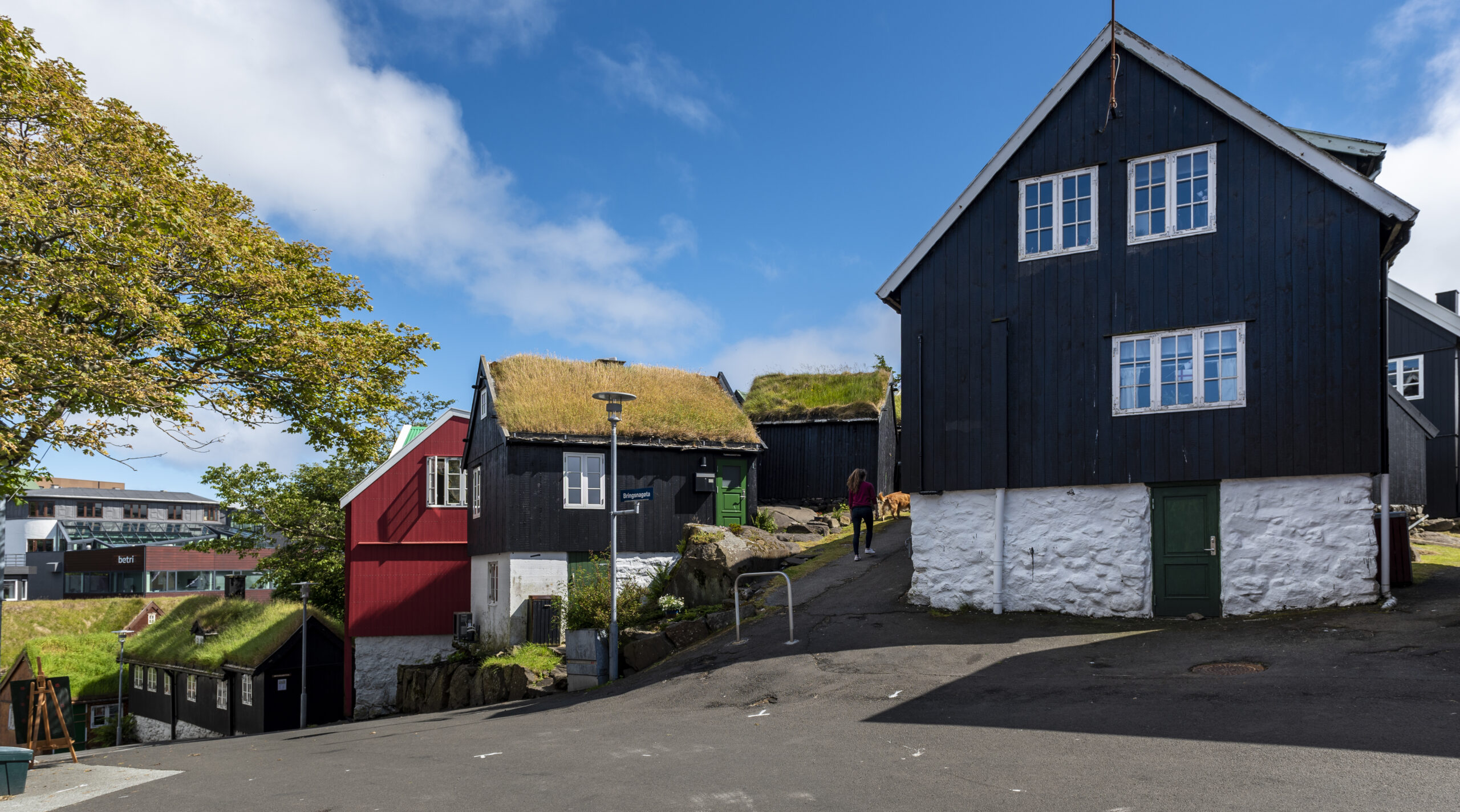
Welcome to the land of resilience and natural beauty. Scandinavia, comprising countries like Sweden, Norway, Denmark, and Finland, offers a compelling refuge from the full force of climate change. With their forward-thinking sustainability initiatives, renewable energy advancements, and stunning landscapes, Scandinavia beckons those seeking a haven that combines environmental consciousness with a high quality of life.
Pros:
- Climate Resilience: Scandinavian countries are generally expected to fare relatively better in a changing climate due to their northern latitudes and colder climates. While they will still experience impacts, such as increased temperatures and changing precipitation patterns, the effects may be less severe compared to other regions.
- Advanced Social Systems: These countries have well-established social systems, including robust healthcare, education, and social welfare systems. This provides a safety net and ensures access to essential services, even in the face of climate-related disruptions.
- Strong Infrastructure: Scandinavian countries boast modern infrastructure, including reliable transportation networks, efficient energy grids, and advanced technology. This can aid in adapting to climate challenges, such as extreme weather events or rising sea levels.
- Abundant Renewable Energy: The Scandinavian region is known for its significant reliance on renewable energy sources, such as hydroelectric and wind power. This focus on sustainable energy production reduces dependence on fossil fuels and mitigates greenhouse gas emissions, contributing to a cleaner environment.
- Proactive Environmental Stewardship: Scandinavian countries have a long-standing commitment to environmental conservation and sustainability. They prioritize green initiatives, promote eco-friendly practices, and invest in research and development of climate solutions. This proactive approach positions them well for tackling climate change challenges.
Cons:
- High Cost of Living: Scandinavian countries are known for their high cost of living, including expensive housing, taxes, and everyday expenses. Moving to these nations can be financially demanding, particularly for those without well-established careers or significant savings.
- Cultural and Language Differences: Moving to a new country often means adapting to a different culture and potentially learning a new language. While many Scandinavians speak English fluently, integrating into the local society may still present challenges for some individuals.
- Limited Sunlight in Winter: Scandinavia experiences long, dark winters, with limited daylight hours. This lack of sunlight can affect some people’s mood and energy levels, potentially impacting mental well-being. However, it’s worth noting that these countries also cherish the cozy concept of “hygge,” creating a warm and inviting atmosphere during winter months.
- Cold Climate: While a colder climate can provide some respite from extreme heat and potential water shortages, it can also pose challenges in terms of adaptation. Harsh winters and sub-zero temperatures require appropriate clothing, heating systems, and adjustment to the seasonal changes.
- Integration and Social Connections: Moving to a new country may initially result in a sense of isolation and the need to build new social connections. The Scandinavian culture, although welcoming, can sometimes be perceived as reserved or reserved, requiring effort to form meaningful relationships.
Conclusion: Considering the potential impacts of climate change, moving to Scandinavian countries can offer several advantages. Their climate resilience, advanced social systems, strong infrastructure, and focus on renewable energy make them attractive destinations for individuals seeking refuge from the worst effects of climate change. However, it’s important to carefully consider the associated challenges, including the high cost of living, cultural differences, limited sunlight, adapting to a cold climate, and the need to establish new social connections. Ultimately, the decision to move to Scandinavia or any other location should be based on personal circumstances, preferences, and a comprehensive assessment of the available opportunities and challenges.
If you’re interested in moving to some of these countries, here below are some information on how to immigrate.
Norway:
Norwegian Directorate of Immigration (UDI): https://www.udi.no/en/
The official website provides comprehensive information on immigration and residence permits in Norway.
Sweden:
Swedish Migration Agency (Migrationsverket): https://www.migrationsverket.se/English/Private-individuals.html
The official website offers information on residence permits, asylum, and other immigration-related matters in Sweden.
Finland:
Finnish Immigration Service (Migri): https://migri.fi/en/home
Migri’s website provides information on residence permits, citizenship, and immigration processes in Finland.
Denmark:
Danish Immigration Service (New to Denmark): https://www.nyidanmark.dk/en-GB
The New to Denmark website offers information on residence permits, work permits, and immigration processes in Denmark.
It’s important to note that the immigration processes and requirements can change over time, so it’s advisable to refer to the official websites for the most up-to-date and accurate information. Additionally, it’s recommended to consult with immigration lawyers or professionals for personalized guidance based on your specific circumstances.
Canada: The Vast Wilderness Beckons
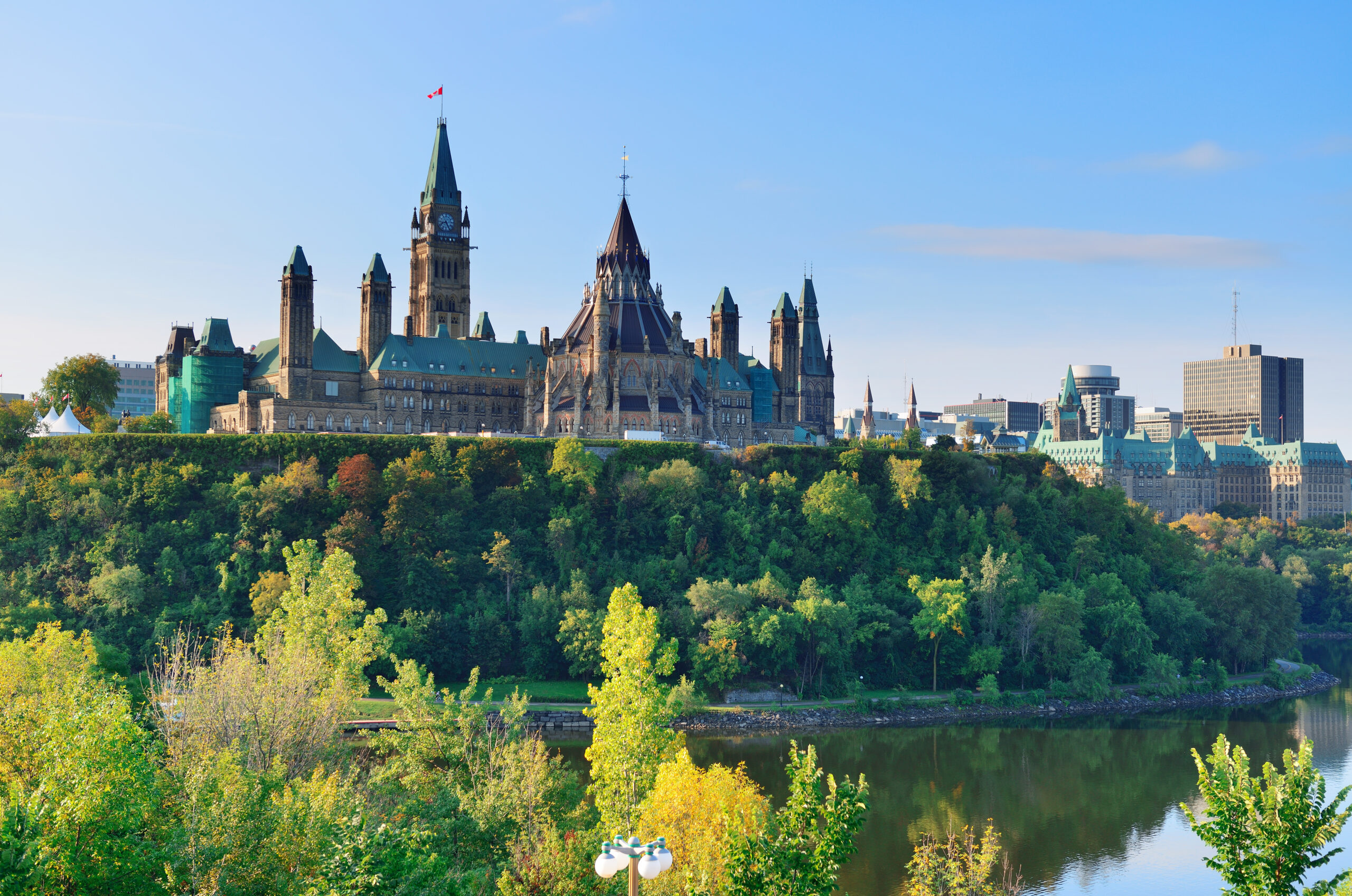
Amidst the vast expanse of the Great North lies a sanctuary for those seeking refuge from climate change. Canada, with its abundant natural resources, diverse landscapes, and strong commitment to environmental stewardship, offers a promising haven. From the breathtaking Rocky Mountains to the serene coastal regions, Canada provides opportunities for resilience, innovation, and a deep connection to nature.
Pros:
- Abundant Freshwater Resources: Canada is known for its vast freshwater resources, including numerous lakes, rivers, and glaciers. In a world where water scarcity is a growing concern, access to abundant freshwater can be a significant advantage in adapting to changing climate conditions.
- Climate Resilience: Canada’s diverse geography provides opportunities for climate resilience. The northern regions of Canada, such as the Yukon and Northwest Territories, may experience milder temperature increases compared to other parts of the world. Additionally, Canada’s vast landmass offers potential relocation options away from vulnerable coastal areas.
- Strong Environmental Stewardship: Canada has a long-standing commitment to environmental conservation and sustainability. The country invests in renewable energy sources, such as hydroelectric power, and has implemented policies to reduce greenhouse gas emissions. This commitment positions Canada well for mitigating and adapting to climate change impacts.
- Advanced Infrastructure: Canada boasts advanced infrastructure, including reliable transportation networks, healthcare systems, and education institutions. This provides a solid foundation for communities to adapt to climate challenges and maintain a high standard of living.
- Social and Cultural Diversity: Canada is known for its multicultural society, fostering a welcoming and inclusive environment for immigrants. Moving to Canada offers opportunities for individuals to build new connections, embrace diversity, and contribute to a vibrant and multicultural society.
Cons:
- Harsh Winter Climate: Canada experiences long, cold winters, particularly in northern regions. Adapting to the extreme cold, heavy snowfall, and shorter daylight hours can be challenging for some individuals who are not accustomed to such conditions.
- Limited Access to Services in Remote Areas: Canada’s vast landmass includes remote and sparsely populated areas, which may have limited access to services and amenities. It is crucial to consider proximity to healthcare facilities, schools, and other essential services when choosing a location within Canada.
- Cost of Living: The cost of living in Canada, particularly in major cities like Toronto and Vancouver, can be relatively high. Housing, healthcare, and education expenses should be carefully considered when planning a move to Canada.
- Immigration Process: Like any country, Canada has specific immigration processes and requirements that individuals must navigate. This includes obtaining the necessary visas, permits, and meeting eligibility criteria, which can be a complex and time-consuming process.
- Potential Climate Change Impacts: While Canada is relatively well-positioned to adapt to climate change, it is not entirely immune to its impacts. Certain regions may still experience challenges such as extreme weather events, changes in precipitation patterns, and impacts on natural ecosystems.
Conclusion: Canada presents a range of advantages for those seeking refuge from the full force of climate change. Abundant freshwater resources, climate resilience in certain regions, strong environmental stewardship, advanced infrastructure, and a diverse society make Canada an attractive option. However, it is important to consider the challenges of harsh winter climates, limited access to services in remote areas, the cost of living, immigration processes, and potential climate change impacts. Ultimately, the decision to move to Canada or any other location should be based on personal circumstances, preferences, and a comprehensive assessment of the available opportunities and challenges.
If you’re interested in moving to Canada, here below are some information on how to immigrate.
Immigration, Refugees and Citizenship Canada (IRCC): https://www.canada.ca/en/immigration-refugees-citizenship.html
- The official website of the Government of Canada provides comprehensive information on immigration, refugee, and citizenship services. It includes details on different immigration programs, application processes, and eligibility criteria.
Come to Canada: https://www.canada.ca/en/immigration-refugees-citizenship/services/immigrate-canada.html
- This section of the IRCC website offers a step-by-step guide on immigrating to Canada. It provides information on various immigration pathways, such as skilled workers, family sponsorship, and study permits.
Express Entry: https://www.canada.ca/en/immigration-refugees-citizenship/services/immigrate-canada/express-entry.html
- Express Entry is a popular immigration system for skilled workers. This webpage provides details on eligibility requirements, application procedures, and the points-based Comprehensive Ranking System (CRS).
Provincial Nominee Programs (PNPs): https://www.canada.ca/en/immigration-refugees-citizenship/services/immigrate-canada/provincial-nominee.html
- Many Canadian provinces and territories have their own immigration programs under the Provincial Nominee Program. This page explains how PNPs work and provides links to each province’s respective immigration website.
Canadian Study Permit: https://www.canada.ca/en/immigration-refugees-citizenship/services/study-canada.html
- For individuals interested in studying in Canada, this page offers information on study permits, work opportunities for students, and post-graduation pathways to permanent residence.
Canadian Citizenship: https://www.canada.ca/en/immigration-refugees-citizenship/services/canadian-citizenship.html
- If you are looking to become a Canadian citizen, this page outlines the requirements, application process, and benefits of Canadian citizenship.
It is important to note that immigration processes and requirements can change over time, so it’s advisable to refer to the official websites for the most up-to-date and accurate information. Additionally, consider consulting with immigration lawyers or professionals for personalized guidance based on your specific circumstances.
New Zealand: A Sustainable Paradise
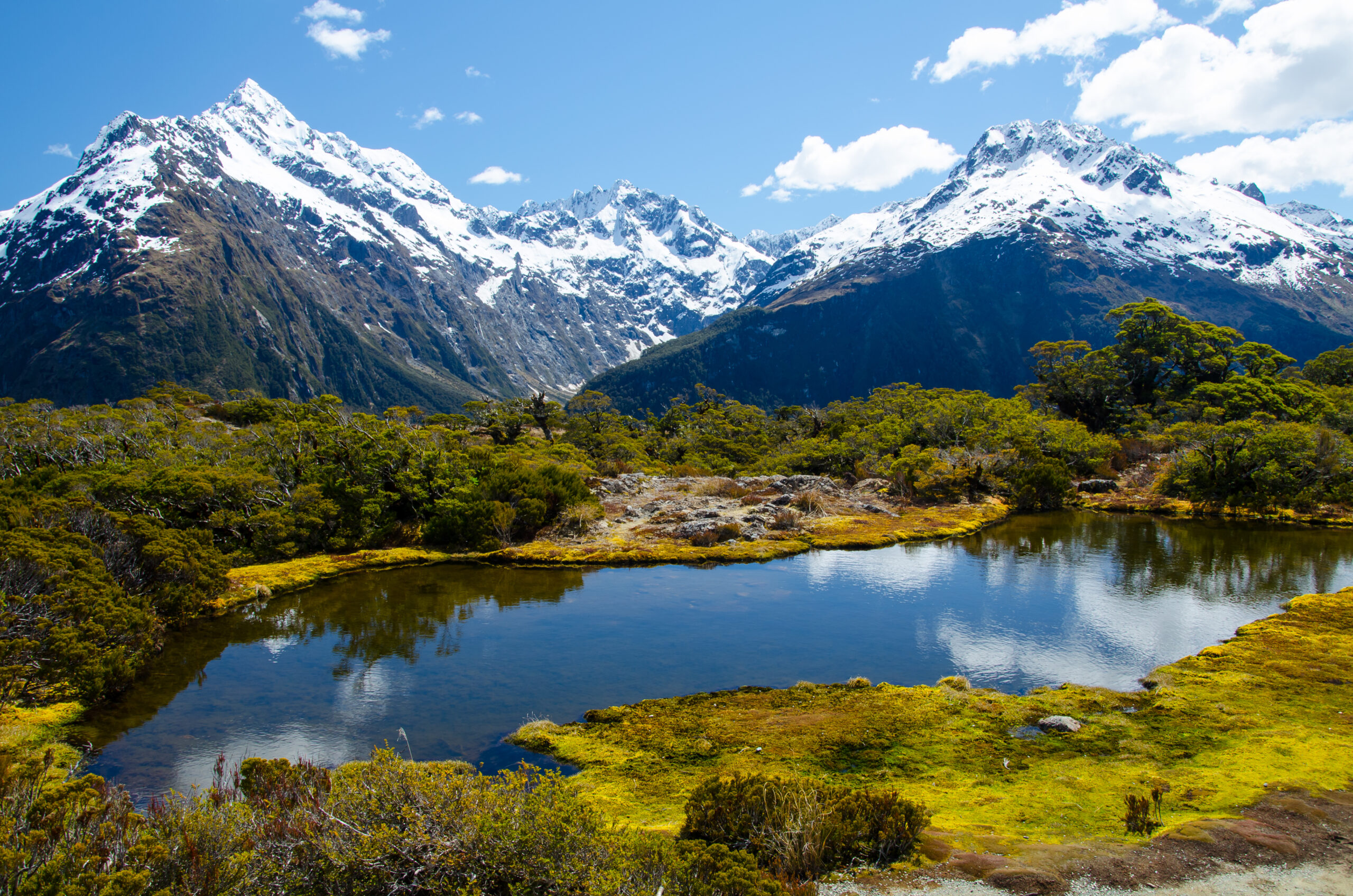
Welcome to the Land of the Long White Cloud, where serenity and sustainability coexist. New Zealand, with its untouched wilderness, pristine lakes, and captivating landscapes, presents an inviting escape from the impacts of climate change. With a strong focus on renewable energy, conservation efforts, and a welcoming community, New Zealand offers a sanctuary for those yearning for a sustainable and thriving future.
Pros:
- Geographical Advantage: New Zealand’s isolated location in the southwestern Pacific Ocean provides some insulation from potential global climate disruptions. Its distance from large land masses and prevailing weather patterns contribute to its relative stability and potentially milder climate changes.
- Temperate Climate: New Zealand enjoys a temperate climate, characterized by mild summers and relatively warm winters. While climate change may still bring challenges, the overall moderate climate can be more favorable compared to regions experiencing more extreme weather events.
- Natural Beauty and Biodiversity: New Zealand is renowned for its stunning landscapes, including majestic mountains, pristine lakes, and breathtaking coastlines. Its rich biodiversity offers opportunities for individuals to connect with nature and enjoy a lifestyle surrounded by diverse ecosystems.
- Renewable Energy Focus: New Zealand has made significant strides in renewable energy generation. It relies heavily on hydropower, geothermal energy, wind farms, and other sustainable energy sources. This commitment to clean energy contributes to the country’s resilience and reduces its carbon footprint.
- Strong Environmental Policies: New Zealand has a strong environmental conscience, reflected in its policies and practices. The country has designated numerous national parks, protected areas, and marine reserves to preserve its natural heritage. New Zealand’s commitment to conservation aligns well with the need for sustainable living in the face of climate change.
Cons:
- Geographic Isolation: While New Zealand’s isolation offers some advantages, it also means longer travel distances to reach other parts of the world. This can result in higher transportation costs and potentially limited access to goods and services compared to more centrally located regions.
- Limited Job Market: New Zealand has a relatively small population and job market. Finding employment, especially in specialized fields, can be challenging, particularly outside major cities like Auckland and Wellington. It is important to consider job prospects and career opportunities when contemplating a move to New Zealand.
- Earthquake and Volcanic Activity: New Zealand is situated on the Pacific Ring of Fire, making it prone to earthquakes and volcanic eruptions. While the country has stringent building codes and emergency response systems, the risk of natural disasters should be taken into account when considering relocation.
- Strict Immigration Policies: New Zealand has specific immigration policies and criteria that individuals must meet to obtain visas and residency permits. It is important to thoroughly research and understand the immigration process, including the points-based system, before making plans to move.
- Cost of Living: The cost of living in New Zealand, particularly in major cities, can be relatively high. Housing, healthcare, and education expenses should be carefully considered when evaluating the affordability of living in the country.
Conclusion: New Zealand presents compelling reasons for individuals seeking refuge from the full force of climate change. Its geographical advantages, temperate climate, natural beauty, commitment to renewable energy, and strong environmental policies make it an attractive option. However, it is crucial to consider potential challenges such as geographic isolation, limited job market, natural hazards, immigration policies, and the cost of living. Making an informed decision about relocating to New Zealand should involve thorough research, assessing personal circumstances, and understanding the opportunities and challenges that come with the move.
If you’re interested in moving to New Zealand, here below are some information on how to immigrate.
Immigration New Zealand: https://www.immigration.govt.nz/
- The official website of Immigration New Zealand provides comprehensive information on visas, immigration pathways, and residency options. It offers resources for individuals seeking to visit, work, study, or live in New Zealand.
New Zealand Now: https://www.newzealandnow.govt.nz/
- New Zealand Now is an official government website that provides information for people considering a move to New Zealand. It offers guidance on various aspects such as lifestyle, working, studying, and settling in the country.
Skilled Migrant Category: https://www.immigration.govt.nz/new-zealand-visas/apply-for-a-visa/tools-and-information/tools/points-indicator-smc-28aug
- The Skilled Migrant Category is a popular immigration pathway for skilled workers. This tool on the Immigration New Zealand website helps assess eligibility and calculate points under the Skilled Migrant Category.
Study in New Zealand: https://www.studyinnewzealand.govt.nz/
- For individuals interested in studying in New Zealand, this website provides information on study programs, scholarships, and visa requirements for international students.
New Zealand Residence Programme: https://www.immigration.govt.nz/new-zealand-visas/apply-for-a-visa/tools-and-information/tools/new-zealand-residence-programme
- The New Zealand Residence Programme outlines the various residency pathways available, including skilled migration, family sponsorship, and humanitarian categories. This page provides an overview of the program and its requirements.
Working in New Zealand: https://www.newzealandnow.govt.nz/work-in-new-zealand
- This section of the New Zealand Now website offers information on finding work in New Zealand, including job search resources, employment rights, and visa options for skilled workers.
It is important to note that immigration policies and requirements can change over time. Therefore, it is advisable to refer to the official websites for the most up-to-date and accurate information. Additionally, consider consulting with immigration lawyers or professionals for personalized guidance based on your specific circumstances.
Iceland: Harnessing Nature’s Bounty
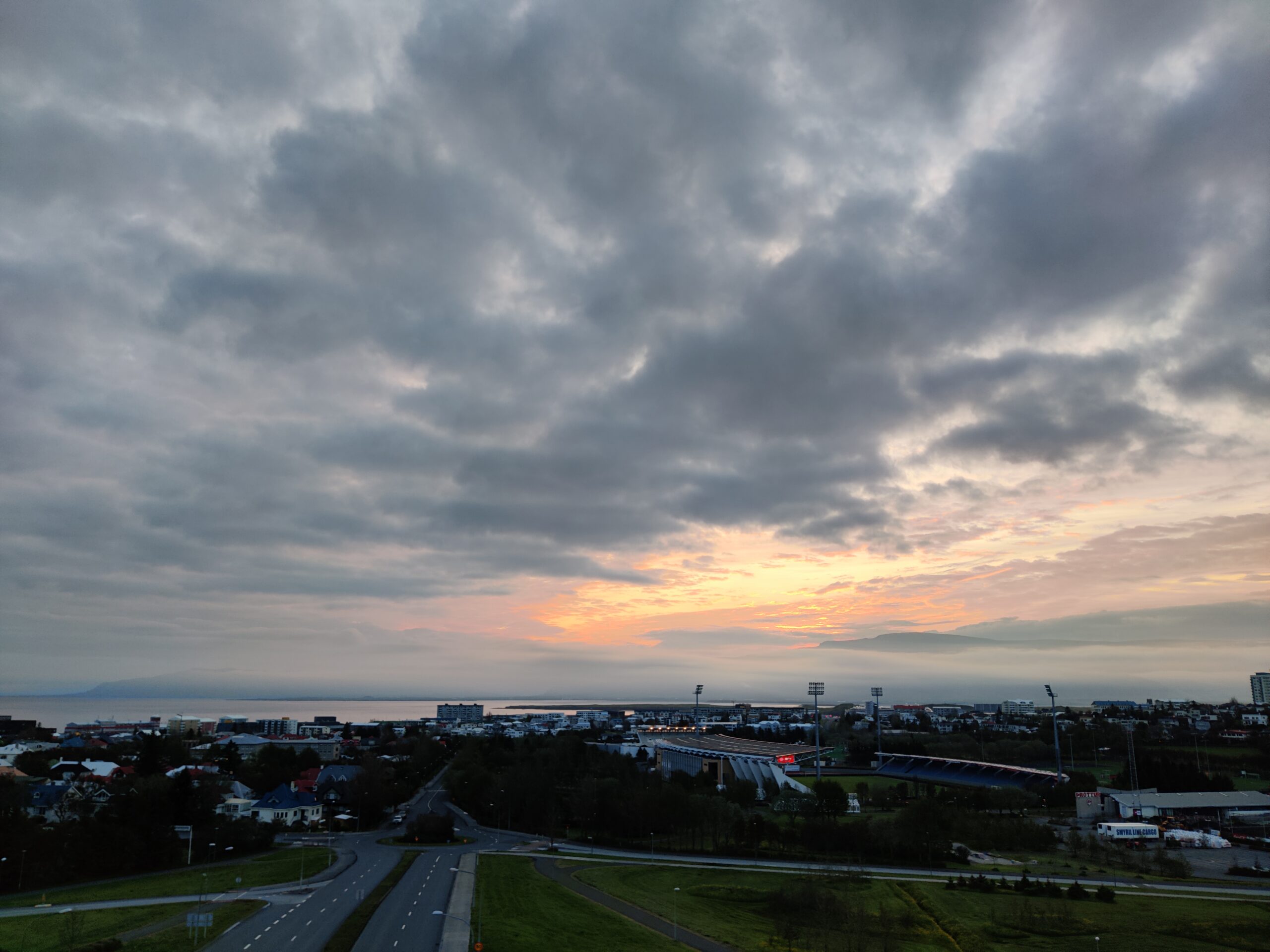
Step into a world of contrasts and natural wonders in Iceland, the land of fire and ice. As climate change looms, Iceland’s unique geological features, including volcanoes, geothermal springs, and glaciers, hold promise for those seeking a resilient refuge. With a commitment to sustainable energy solutions and a close connection to nature, Iceland invites adventurers and environmental enthusiasts alike.
Pros:
- Renewable Energy Pioneers: Iceland is a global leader in renewable energy production. The country harnesses its abundant geothermal and hydroelectric resources to generate clean and sustainable energy. Moving to Iceland provides an opportunity to live in a society that prioritizes and invests in renewable energy technologies.
- Climate Resilience: Iceland’s geographical location in the North Atlantic Ocean provides some resilience against potential climate change impacts. The country benefits from the warming effect of the Gulf Stream, which helps moderate temperatures and contributes to a relatively mild climate compared to its latitude.
- Breathtaking Natural Landscapes: Iceland is known for its awe-inspiring natural landscapes, including glaciers, geothermal areas, waterfalls, and volcanic landscapes. Living in Iceland allows individuals to be surrounded by pristine and untouched natural beauty, fostering a deep connection to nature and offering opportunities for outdoor activities.
- Low Environmental Pollution: Iceland has a low population density and limited industrial activity, resulting in minimal air and water pollution. The pristine environment supports clean air quality and unpolluted water sources, promoting a healthy and sustainable living environment.
- High Standard of Living: Iceland consistently ranks high on global indices for quality of life, healthcare, education, and social stability. The country offers a well-developed social welfare system, excellent healthcare services, and a strong emphasis on education and innovation.
Cons:
- Harsh and Volatile Weather: Iceland experiences unpredictable and often extreme weather conditions. Winters can be long and harsh, with heavy snowfall and limited daylight hours. Adapting to the volatile weather patterns may require adjustments for individuals not accustomed to such conditions.
- Limited Job Market: Iceland has a small population, resulting in a limited job market, particularly outside the capital city of Reykjavik. Finding employment, especially in specialized fields, may be challenging. It is important to consider job prospects and opportunities before making the decision to move.
- High Cost of Living: Iceland is known for its high cost of living, primarily due to its remote location and the need to import many goods. Housing, food, and other daily expenses can be relatively expensive. It is crucial to carefully evaluate the financial implications of living in Iceland.
- Language Barrier: The official language in Iceland is Icelandic, which may pose a challenge for individuals who do not speak the language. While English is widely spoken, learning Icelandic can enhance integration and improve job prospects.
- Limited Cultural Diversity: Iceland has a relatively homogeneous population, which can result in limited cultural diversity compared to more cosmopolitan cities or countries. Some individuals may prefer a more diverse and multicultural environment.
Conclusion: Moving to Iceland can provide compelling advantages for individuals seeking refuge from the full force of climate change. The country’s renewable energy leadership, climate resilience, breathtaking natural landscapes, low environmental pollution, and high standard of living make it an attractive option. However, it is crucial to consider the challenges of harsh and volatile weather, limited job market, high cost of living, language barrier, and limited cultural diversity. Ultimately, the decision to move to Iceland or any other location should be based on personal circumstances, preferences, and a comprehensive assessment of the available opportunities and challenges.
If you’re interested in moving to Iceland, here below are some information on how to immigrate.
Directorate of Immigration: https://www.utl.is/
- The official website of the Directorate of Immigration in Iceland provides information on various immigration services, residence permits, visa requirements, and citizenship. It offers resources and guidance for individuals seeking to immigrate to Iceland.
Icelandic National Registry: https://www.skra.is/english/
- The Icelandic National Registry provides information on legal matters related to residency and registration in Iceland. It offers guidance on obtaining identification numbers, personal identification documents, and other administrative procedures.
Visit Iceland: https://www.iceland.is/
- Visit Iceland is the official tourism website for Iceland but also provides valuable information on living, working, and studying in the country. It offers insights into Icelandic culture, nature, and practical information for newcomers.
Invest in Iceland: https://www.invest.is/
- Invest in Iceland is an official website that provides information for individuals interested in investment and business opportunities in Iceland. It offers guidance on the process of establishing a business or investing in Iceland.
University of Iceland: https://english.hi.is/
- The University of Iceland’s official website provides information on higher education opportunities, admission requirements, and programs available for international students. It is a useful resource for individuals considering studying in Iceland.
Work in Iceland: https://work.iceland.is/
- Work in Iceland is a website that provides information on job opportunities, work permits, and employment-related matters in Iceland. It offers resources for job seekers and employers looking to recruit international workers.
It is important to note that immigration processes and requirements can change over time, so it’s advisable to refer to the official websites for the most up-to-date and accurate information. Additionally, consider consulting with immigration lawyers or professionals for personalized guidance based on your specific circumstances.
Switzerland: The Alpine Fortress
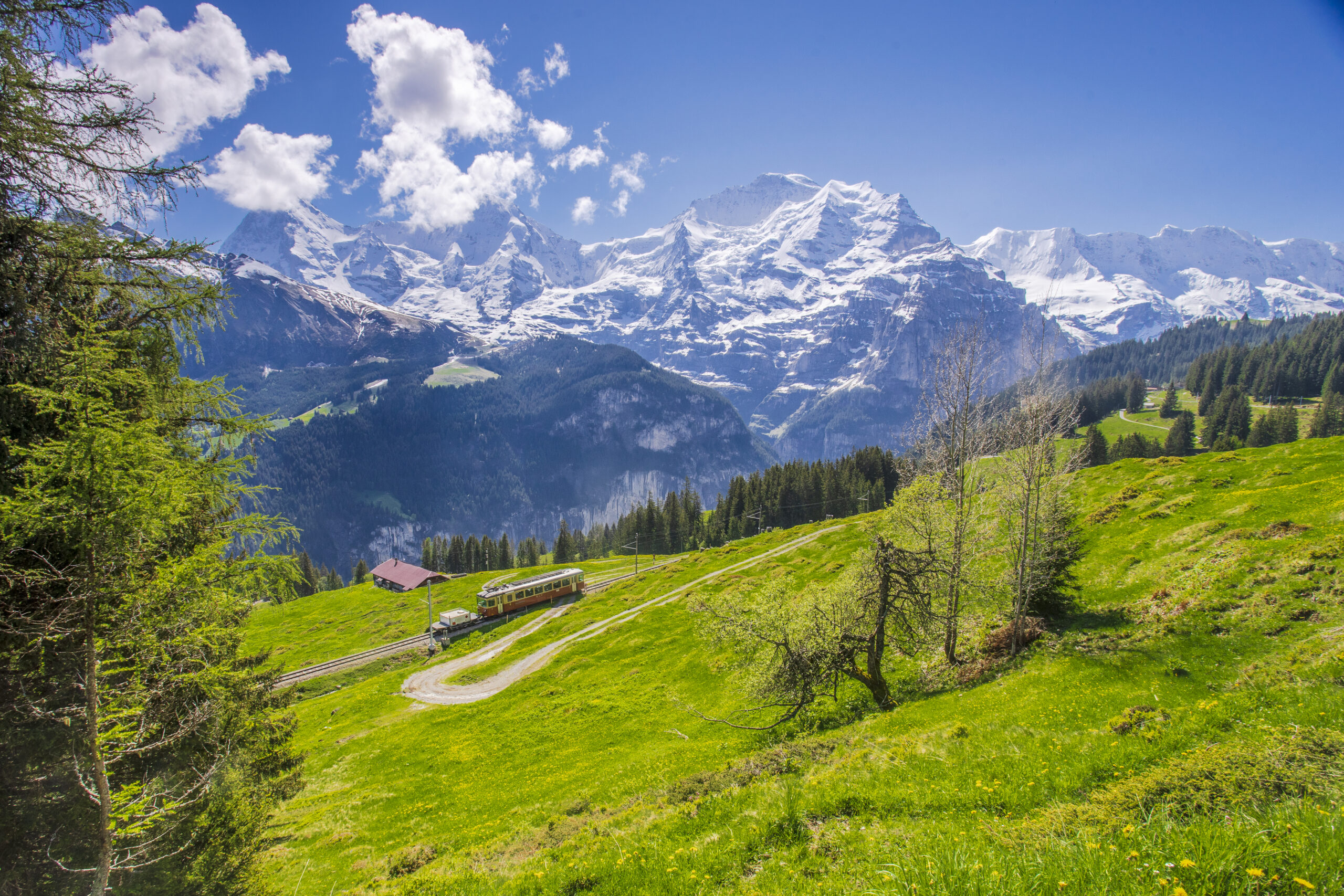
Nestled in the heart of Europe, Switzerland beckons those seeking solace and sustainability in the face of climate change. With its majestic Alps, pristine lakes, and charming cities, Switzerland offers a haven for resilience and innovation. Renowned for its sustainable infrastructure, commitment to environmental protection, and exceptional quality of life, Switzerland stands as a beacon of hope amidst a changing world.
Pros:
- Geographical Advantage: Switzerland is located in the heart of Europe, and its position within the Alps provides a natural barrier against potential climate change impacts. The mountainous terrain offers protection from rising sea levels and provides a cooler climate compared to low-lying regions.
- Stable and Well-Managed Economy: Switzerland is known for its stable and prosperous economy. The country has a strong tradition of financial stability, innovation, and entrepreneurship. Moving to Switzerland can provide access to a well-functioning economy and employment opportunities.
- High Standard of Living: Switzerland consistently ranks among the countries with the highest standard of living. The country offers excellent healthcare, high-quality education, efficient infrastructure, and a well-developed social welfare system. Its commitment to sustainability and environmental protection further contributes to a high quality of life.
- Commitment to Renewable Energy: Switzerland has made significant progress in transitioning to renewable energy sources. The country heavily invests in hydroelectric power and has ambitious goals for expanding renewable energy production. Moving to Switzerland aligns with a sustainable lifestyle and contributes to global efforts to combat climate change.
- Beautiful Natural Environment: Switzerland is renowned for its stunning natural landscapes, including majestic mountains, pristine lakes, and picturesque countryside. The country offers opportunities for outdoor activities such as hiking, skiing, and biking, allowing individuals to connect with nature and enjoy a healthy and active lifestyle.
Cons:
- Cost of Living: Switzerland is known for its high cost of living, including housing, healthcare, and everyday expenses. Accommodation and living expenses can be particularly expensive, especially in major cities such as Zurich and Geneva. It is important to consider the financial implications of living in Switzerland.
- Language Barrier: Switzerland has four national languages—German, French, Italian, and Romansh. Depending on the region, the predominant language may vary. While many Swiss people speak English, learning one of the national languages can facilitate integration and improve job prospects.
- Limited Land Availability: Switzerland’s mountainous terrain limits available land for housing and development. Finding suitable accommodation, especially in urban areas, can be challenging. It is important to consider housing options and availability when planning a move to Switzerland.
- Stringent Immigration Policies: Switzerland has strict immigration policies and quotas. Obtaining residency permits and work visas can be a complex process, especially for non-European Union/European Free Trade Association citizens. It is essential to thoroughly understand the immigration requirements and procedures.
- Weather Variability: Switzerland experiences diverse weather patterns, with significant variations between seasons and regions. Winters can be cold and snowy, while summers are generally mild to warm. Adapting to the changing weather conditions may require adjustments, particularly for individuals from regions with more moderate climates.
Conclusion: Moving to Switzerland can provide compelling advantages for individuals seeking refuge from the full force of climate change. Its geographical advantage, stable economy, high standard of living, commitment to renewable energy, and beautiful natural environment make it an attractive option. However, it is crucial to consider the challenges of the high cost of living, language barrier, limited land availability, stringent immigration policies, and weather variability. Making an informed decision about relocating to Switzerland should involve thorough research, assessing personal circumstances, and understanding the opportunities and challenges that come with the move.
If you’re interested in moving to Switzerland, here below are some information on how to immigrate.
State Secretariat for Migration (SEM): https://www.sem.admin.ch/sem/en/home.html
- The State Secretariat for Migration (SEM) is the official Swiss government body responsible for immigration matters. Their website provides comprehensive information on visas, residence permits, work permits, and citizenship requirements. It offers resources and guidance for individuals seeking to immigrate to Switzerland.
EasyGov: https://www.easygov.swiss/easygov/#/welcome
- EasyGov is an online platform that simplifies administrative procedures for individuals and businesses in Switzerland. It provides access to various services related to residence permits, work permits, and other administrative processes. EasyGov can help guide you through the necessary steps and requirements.
Swiss Confederation: https://www.ch.ch/en/
- The Swiss Confederation’s official website offers a wide range of information on living, working, and moving to Switzerland. It provides an overview of immigration rules, residence permits, and practical advice for newcomers. The website also includes information on Swiss culture, education, and healthcare.
- Swiss Embassy or Consulate: Check your local Swiss embassy or consulate’s website for information specific to your country. They can provide guidance on visa requirements, immigration processes, and other relevant information.
Swiss Federal Office for Migration (FOM): https://www.bfm.admin.ch/bfm/en/home.html
- The Swiss Federal Office for Migration (FOM) is responsible for implementing Switzerland’s migration policies. Their website provides detailed information on various aspects of immigration, including residence permits, family reunification, and naturalization. It also offers resources for employers and employees regarding work permits and employment-related matters.
Swiss Global Enterprise: https://www.s-ge.com/
- Swiss Global Enterprise is a resource for companies and entrepreneurs interested in establishing a business in Switzerland. Their website provides information on market entry, investment opportunities, and relevant regulations for international business activities.
Please note that immigration policies and requirements can change over time. Therefore, it is advisable to refer to the official websites and consult with Swiss authorities or immigration lawyers for the most up-to-date and accurate information based on your specific circumstances.
Australia (Southern Region): Seeking Respite Down Under
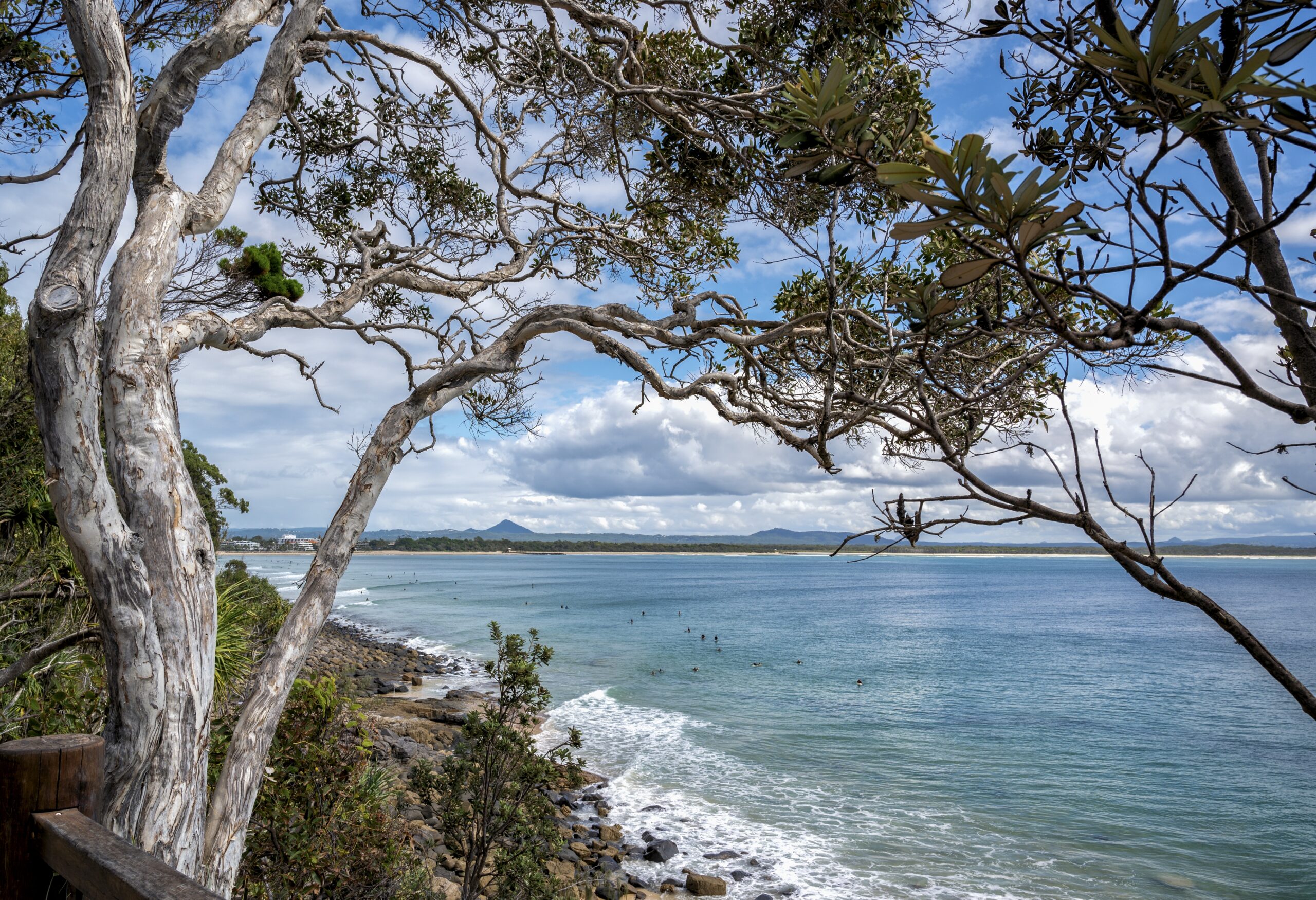
Unveiling the Southern Sanctuary, where resilience and natural beauty converge. Australia, with its vast landscapes, stunning coastlines, and unique biodiversity, offers an inviting escape from the full force of climate change. From the vibrant cities to the vast Outback, Australia’s commitment to renewable energy, conservation efforts, and a laid-back lifestyle make it an attractive option for those seeking a refuge in the face of environmental challenges.
Pros:
- Geographic Advantage: Australia is geographically isolated and positioned in the Southern Hemisphere, which can provide a degree of resilience against potential climate change impacts. The country is known for its diverse ecosystems, including the Great Barrier Reef, rainforests, and unique wildlife, making it a captivating destination for nature lovers.
- Climate Diversity: Australia’s vast size gives it a wide range of climates, from tropical regions in the north to temperate zones in the south. This diversity allows individuals to choose a climate that aligns with their preferences and tolerance for extreme weather events. Additionally, some regions may experience less severe climate change effects compared to others.
- Renewable Energy Potential: Australia has immense renewable energy potential, including solar, wind, and hydroelectric power. The country has been investing in renewable energy projects, making it an attractive destination for those interested in sustainable living and contributing to global efforts to combat climate change.
- Strong Economy and Job Opportunities: Australia boasts a robust and diverse economy with various sectors, including mining, agriculture, tourism, and technology. The country offers a range of job opportunities and a relatively high standard of living. Moving to Australia can provide access to a stable economy and potential career prospects.
- Multicultural Society: Australia is renowned for its multiculturalism and openness to immigrants. The country embraces diversity and provides opportunities for individuals from different backgrounds to integrate into society. This inclusivity can foster a sense of belonging and support for newcomers.
Cons:
- Extreme Weather Events: Australia is prone to extreme weather events, including bushfires, droughts, and cyclones. Climate change may exacerbate these events, leading to increased risks and challenges. It is important to be prepared and adapt to potential weather-related hazards.
- Distance from Other Countries: Australia is geographically isolated from other countries, resulting in long travel distances to reach other parts of the world. This can affect international connections and may require adjustments for individuals accustomed to more central locations.
- Limited Water Resources: Australia faces water scarcity and drought issues in certain regions. Climate change can further strain water resources, leading to water restrictions and challenges in water management. It is essential to be mindful of water conservation practices and adapt to water-scarce conditions.
- Cost of Living: Certain cities in Australia, particularly Sydney and Melbourne, have a high cost of living. Housing, transportation, and everyday expenses can be relatively expensive, requiring careful financial planning and budgeting.
- Strict Immigration Policies: Australia has strict immigration policies and visa requirements. Obtaining residency permits or work visas can be a complex process, and there are quotas and restrictions in place. It is crucial to thoroughly understand the immigration regulations and seek appropriate guidance.
Conclusion: Moving to Australia can provide compelling advantages for individuals seeking refuge from the full force of climate change. Its geographic advantage, climate diversity, renewable energy potential, strong economy, and multicultural society make it an attractive option. However, it is essential to consider the challenges of extreme weather events, distance from other countries, limited water resources, the cost of living, and strict immigration policies. Making an informed decision about relocating to Australia should involve comprehensive research, consideration of personal circumstances, and understanding the opportunities and challenges associated with the move.
If you’re interested in moving to Australia, here below are some information on how to immigrate.
Department of Home Affairs: https://www.homeaffairs.gov.au/
- The Department of Home Affairs is the official government body responsible for immigration and citizenship matters in Australia. Their website provides comprehensive information on visa options, citizenship, migration policies, and application processes. It offers resources and guidance for individuals seeking to immigrate to Australia.
SkillSelect: https://immi.homeaffairs.gov.au/visas/working-in-australia/skillselect
- SkillSelect is an online service provided by the Australian government that enables skilled workers and business people to express their interest in migrating to Australia. It provides information on skilled visa options, points-based assessments, and the Skilled Occupation List.
Australian Government’s Department of Foreign Affairs and Trade: https://www.dfat.gov.au/
- The Department of Foreign Affairs and Trade provides valuable information for individuals considering moving to Australia. Their website offers insights into the country’s culture, living conditions, and practical advice for newcomers. It also provides resources on Australian visas and migration policies.
Australian Visa Bureau: https://www.visabureau.com/australia
- The Australian Visa Bureau is a private immigration consultancy that offers information and assistance with Australian visas and migration. Their website provides an overview of visa types, eligibility requirements, and application processes. It can be a useful resource for individuals seeking guidance and support in the immigration process.
Study in Australia: https://www.studyinaustralia.gov.au/
- The Study in Australia website is dedicated to international students interested in pursuing education in Australia. It offers information on student visas, study options, scholarships, and living in Australia as a student. It can be a valuable resource for those considering studying in Australia as a pathway to immigration.
Australian Taxation Office (ATO): https://www.ato.gov.au/
- The Australian Taxation Office provides information on taxation and financial matters for individuals living and working in Australia. Their website offers guidance on tax obligations, residency status, and other relevant financial considerations for newcomers.
Please note that immigration policies and procedures can change over time. It is advisable to refer to the official government websites for the most up-to-date and accurate information. Additionally, consider consulting with immigration lawyers or professionals for personalized guidance based on your specific circumstances.
Germany: Energizing the Transition
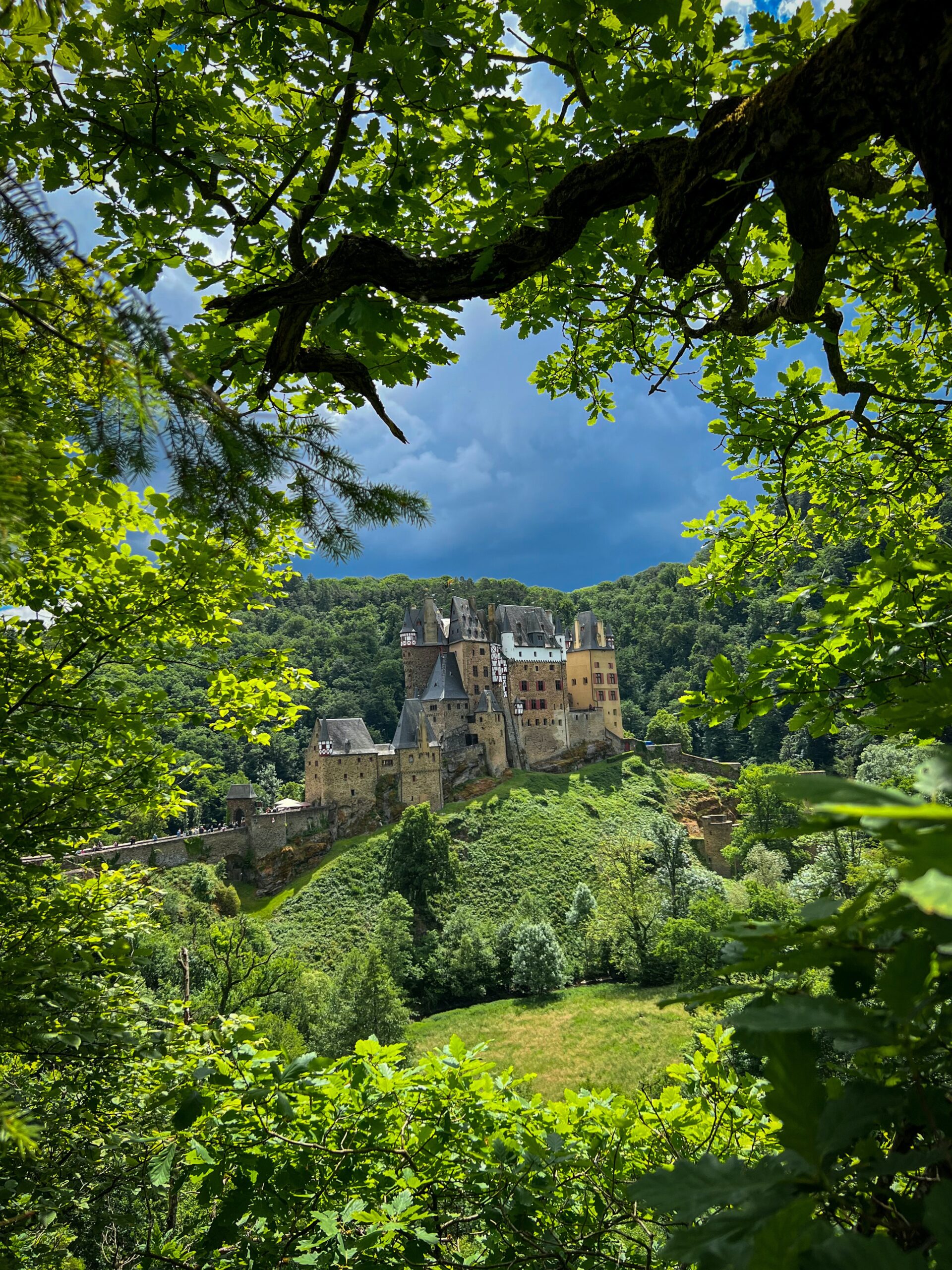
Welcome to the sustainable oasis of Germany, where innovation meets environmental consciousness. As climate change accelerates, Germany’s strong commitment to renewable energy, sustainable practices, and green initiatives makes it an ideal destination for those seeking refuge. With a thriving economy, excellent infrastructure, and a rich cultural heritage, Germany combines opportunity and sustainability in a harmonious blend.
Pros:
- Climate Change Mitigation Efforts: Germany has been at the forefront of global efforts to combat climate change. The country has implemented ambitious renewable energy policies, investing heavily in wind, solar, and biomass power. By moving to Germany, individuals can contribute to a nation dedicated to sustainability and environmental protection.
- Strong Economy and Job Opportunities: Germany has Europe’s largest economy and offers a wide range of job opportunities across various sectors. The country is known for its engineering, automotive, technology, and renewable energy industries. Moving to Germany can provide access to a robust economy and potential career prospects.
- Sustainable Infrastructure and Transportation: Germany boasts an extensive public transportation network, including efficient trains, trams, and buses. The country is also known for its well-developed cycling infrastructure and emphasis on sustainable urban planning. Living in Germany can offer convenient and eco-friendly transportation options.
- High Quality of Life: Germany consistently ranks high in quality of life indexes, offering excellent healthcare, education, social welfare, and cultural amenities. The country has a strong focus on social equality, environmental protection, and work-life balance. Moving to Germany can provide access to a high standard of living and well-being.
- Central European Location: Germany’s central location in Europe provides opportunities for travel and exploration. It offers easy access to neighboring countries, diverse landscapes, and cultural experiences. Individuals moving to Germany can benefit from its geographical position for both leisure and professional purposes.
Cons:
- Language Barrier: German is the primary language spoken in Germany, and while many Germans speak English, proficiency in the local language can greatly enhance integration and daily life. It may require time and effort to learn German, especially for non-German speakers.
- Cost of Living: Certain cities in Germany, such as Munich and Frankfurt, have a relatively high cost of living, particularly in terms of housing and rent. It is important to consider the financial implications and research affordable areas or alternative housing options.
- Weather Variability: Germany experiences variable weather patterns, with cold winters and mild to warm summers. Climate change may bring about more extreme weather events, including heatwaves and heavy rainfall. Individuals considering a move to Germany should be prepared for weather fluctuations and adapt accordingly.
- Bureaucracy and Administrative Processes: Germany has a reputation for bureaucratic processes, which can sometimes be time-consuming and complex. It is important to be patient and diligent when dealing with administrative tasks, such as visa applications and residency permits.
- Competitive Job Market: While Germany offers ample job opportunities, some industries and regions can be highly competitive. It is important to thoroughly research the job market and have the necessary qualifications and language skills to increase employment prospects.
Conclusion: Moving to Germany can provide compelling advantages for individuals seeking refuge from the full force of climate change. Its climate change mitigation efforts, strong economy, sustainable infrastructure, high quality of life, and central European location make it an attractive option. However, it is important to consider the challenges of language barriers, the cost of living, weather variability, bureaucracy, and competition in the job market. Making an informed decision about relocating to Germany should involve comprehensive research, considering personal circumstances, and understanding the opportunities and challenges associated with the move.
If you’re interested in moving to Germany, here below are some information on how to immigrate.
Federal Office for Migration and Refugees (BAMF): https://www.bamf.de/EN/Home/home-node.html
- The Federal Office for Migration and Refugees (BAMF) is the official German government agency responsible for immigration and asylum matters. Their website provides comprehensive information on visa options, residence permits, and citizenship requirements. It offers resources and guidance for individuals seeking to immigrate to Germany.
Make it in Germany: https://www.make-it-in-germany.com/
- Make it in Germany is an official portal providing information on living, working, and studying in Germany. It offers guidance on visa and work permit requirements, job search strategies, recognition of foreign qualifications, and other practical advice for newcomers. The website also provides information on Germany’s labor market and in-demand professions.
Federal Foreign Office: https://www.auswaertiges-amt.de/en/einreiseundaufenthalt
- The Federal Foreign Office’s website provides information on entry and residence requirements for Germany. It offers details on visa categories, application procedures, and necessary documentation. The website also provides information on consular services and contact details for German embassies and consulates worldwide.
German Missions in the United States: https://www.germany.info/us-en/welcome
- The German Missions in the United States provide information on visa applications and services for individuals residing in the United States. Their website offers guidance on visa requirements, application forms, and appointment scheduling. It also provides information on consular services and contact details for German diplomatic missions in the United States.
Immigration Portal of the Federal Government: https://www.migration-integration.bund.de/EN/Home/home_node.html
- The Immigration Portal of the Federal Government provides information on immigration policies, residence permits, and integration programs in Germany. The website offers resources for individuals, employers, and researchers interested in immigrating to Germany. It also provides information on language courses and integration support.
Please note that immigration policies and procedures can change over time. It is advisable to refer to the official government websites for the most up-to-date and accurate information. Additionally, consider consulting with immigration lawyers or professionals for personalized guidance based on your specific circumstances.
Embracing Hope and Building a Sustainable Future: Navigating the Best Places to Thrive Amidst Climate Change

In conclusion, as we embark on this speculative journey to find the best places to live if climate change hits us full force, it is important to approach the topic with a sense of hope, curiosity, and determination. While we cannot predict the exact future impacts of climate change, we can take proactive steps to adapt and create a sustainable future for ourselves and future generations.
As we explored various countries like Scandinavia, Canada, New Zealand, Iceland, Switzerland, Australia and Germany, we discovered unique advantages and considerations for each location. These places offer opportunities for resilience, renewable energy, strong economies, and high quality of life. However, it is essential to weigh the pros and cons, considering factors such as extreme weather events, cost of living, language barriers, and immigration policies.
Drawing inspiration from the renowned astrophysicist Neil deGrasse Tyson, we are reminded of his words: “The good thing about science is that it’s true whether or not you believe in it.” As we confront the reality of climate change, let us embrace the scientific consensus and recognize the urgency of addressing this global challenge. It is through collective action, innovation, and a shared commitment to sustainability that we can shape a brighter future.
In the face of climate change, we must not succumb to fear or despair but rather channel our energy into positive change. Let us advocate for sustainable practices, support renewable energy initiatives, engage in community efforts, and raise awareness about the importance of preserving our planet.
Remember, our journey to find the best places to live if climate change hits us full force is not just about finding a safe haven but also about becoming proactive global citizens. By taking steps to reduce our carbon footprint, support environmental policies, and contribute to the global movement for sustainability, we can make a tangible impact.
So, as we dream about our future abodes, let us embrace the spirit of adventure, resilience, and hope. Together, we can navigate the challenges of climate change and build a world where our planet thrives, and future generations can enjoy the wonders of nature. The choice is in our hands, and the time to act is now.
As Neil deGrasse Tyson would remind us, “The problem, often not discovered until late in life, is that when you look for things in life like love, meaning, motivation, it implies they are sitting behind a tree or under a rock. The most successful people in life recognize that in life they create their own love, they manufacture their own meaning, they generate their own motivation.” Let us create a future where we generate our own solutions and work collectively towards a sustainable and thriving world.
So, dream big, embrace the journey, and let us strive together to create a future that not only withstands the challenges of climate change but also embodies the spirit of hope, resilience, and a deep appreciation for the world we call home.
What do you think? Please comment here below and let us think what would be the best place(s) to live and why,



0 Comments