
Cheese is more than just a food – it’s a way of life. For cheese lovers, nothing beats the rich, creamy, and tangy taste of a perfectly aged cheddar, a sharp Parmesan, or a silky-smooth brie. And for those who truly appreciate the finer things in life, there are few things more important than finding a place where the cheese is as delicious as it is plentiful.
So, where should you go if you’re a die-hard cheese fan? Well, that all depends on your taste buds, your sense of adventure, and your willingness to move for the perfect cheese.
For some, the answer is clear: France. After all, this is the country that gave us Camembert, Roquefort, and Brie – not to mention countless other varieties of cheese that are as famous as they are delicious. From the rolling hills of Normandy to the sun-drenched shores of the Riviera, France is a cheese lover’s paradise.
But others might prefer Italy, with its creamy mozzarella, sharp pecorino, and crumbly Parmigiano-Reggiano. Or perhaps Switzerland, with its nutty Gruyere, tangy Appenzeller, and silky-smooth Emmental, is more your speed. And let’s not forget about the Netherlands, with its iconic Gouda, creamy Edam, and smoky Maasdam.
Of course, there are plenty of other countries with amazing cheese cultures, too. Spain is home to the buttery Manchego, the tangy Cabrales, and the pungent Tetilla. England has its sharp cheddar, crumbly Lancashire, and creamy Wensleydale. And even the United States has a thriving artisanal cheese scene, with incredible cheeses coming from places like Vermont, Wisconsin, and California.
So, where should you move if you’re a cheese lover? The truth is, there’s no one-size-fits-all answer. Every cheese lover has their own preferences, and every country has its own unique cheese culture. But one thing is for sure: if you’re looking for a place where the cheese is life, there’s no shortage of amazing destinations to choose from. So pack your things, grab a fork, and get ready to make a big leap for the love of of delicious dairy. After all, life’s too short to settle for anything less than the perfect cheese.
Say Cheese! France’s Fromage Scene is Brie-lieveably Gouda

Ah, France – the land of baguettes, wine, and, of course, cheese. For cheese lovers, there’s no better place to be than this charming country, where every corner boasts a new cheese shop, fromagerie, or market stall overflowing with delectable fromages.
France is known for its rich cheese culture, with hundreds of different varieties to choose from. From the iconic Camembert to the pungent Munster, there’s something to suit every taste bud.
Perhaps the most famous of all French cheeses is Brie. This soft, creamy cheese hails from the region of the same name, just a short distance from Paris. Made from cow’s milk, Brie is mild and slightly nutty, with a silky texture that melts in your mouth. It’s perfect with a crusty baguette and a glass of red wine, making it a staple of French picnics and casual dinners.
But Brie is just the tip of the cheese iceberg in France. The country is also home to countless other varieties, each with their own unique flavor and texture.
Take Roquefort, for example. This blue cheese is made from sheep’s milk and is aged in caves in the south of France. The result is a sharp, tangy cheese with a crumbly texture and distinctive blue veins. Roquefort is often paired with sweet fruits, such as figs or grapes, to balance out its strong flavor.
Then there’s the nutty, savory Comté, which is made from the milk of cows that graze in the Jura mountains. This hard cheese has a complex flavor profile, with notes of caramel, hazelnut, and fruit. It’s perfect for cooking or snacking on its own.
For something a little more pungent, try Munster. This soft cheese is made from cow’s milk and has a strong aroma that might put some people off. But for those brave enough to try it, the flavor is rich and complex, with hints of earthiness and spice.
Of course, no discussion of French cheese would be complete without mentioning Camembert. This soft, creamy cheese is beloved around the world for its delicate flavor and velvety texture. It’s made from cow’s milk and has a bloomy rind that’s both edible and delicious. Camembert is perfect with crackers, fruit, or even just a spoon.
But what makes French cheese culture so special isn’t just the delicious cheeses themselves – it’s the entire experience of enjoying them. In France, cheese is a way of life, with its own rituals, traditions, and etiquette.
For example, it’s considered bad form to cut the nose off a wedge of cheese – instead, you should cut a slice from the side. And when eating cheese, it’s customary to start with the mildest varieties and work your way up to the strongest, to avoid overwhelming your taste buds.
But perhaps the most important part of French cheese culture is the way it brings people together. Whether you’re enjoying a cheese plate with friends or sharing a wheel of Brie with your family, cheese is a social food that’s meant to be enjoyed in good company.
So if you’re a cheese lover, there’s no better place to be than France. From the rolling hills of Normandy to the sunny shores of the Cote d’Azur, this charming country is a veritable paradise for cheese aficionados. So grab a baguette, pour yourself a glass of wine, and get ready to savor the rich and varied flavors of French cheese. Bon appétit!
Pasta la Vista, Baby! Italy’s Cheese Game is Feta than Ever
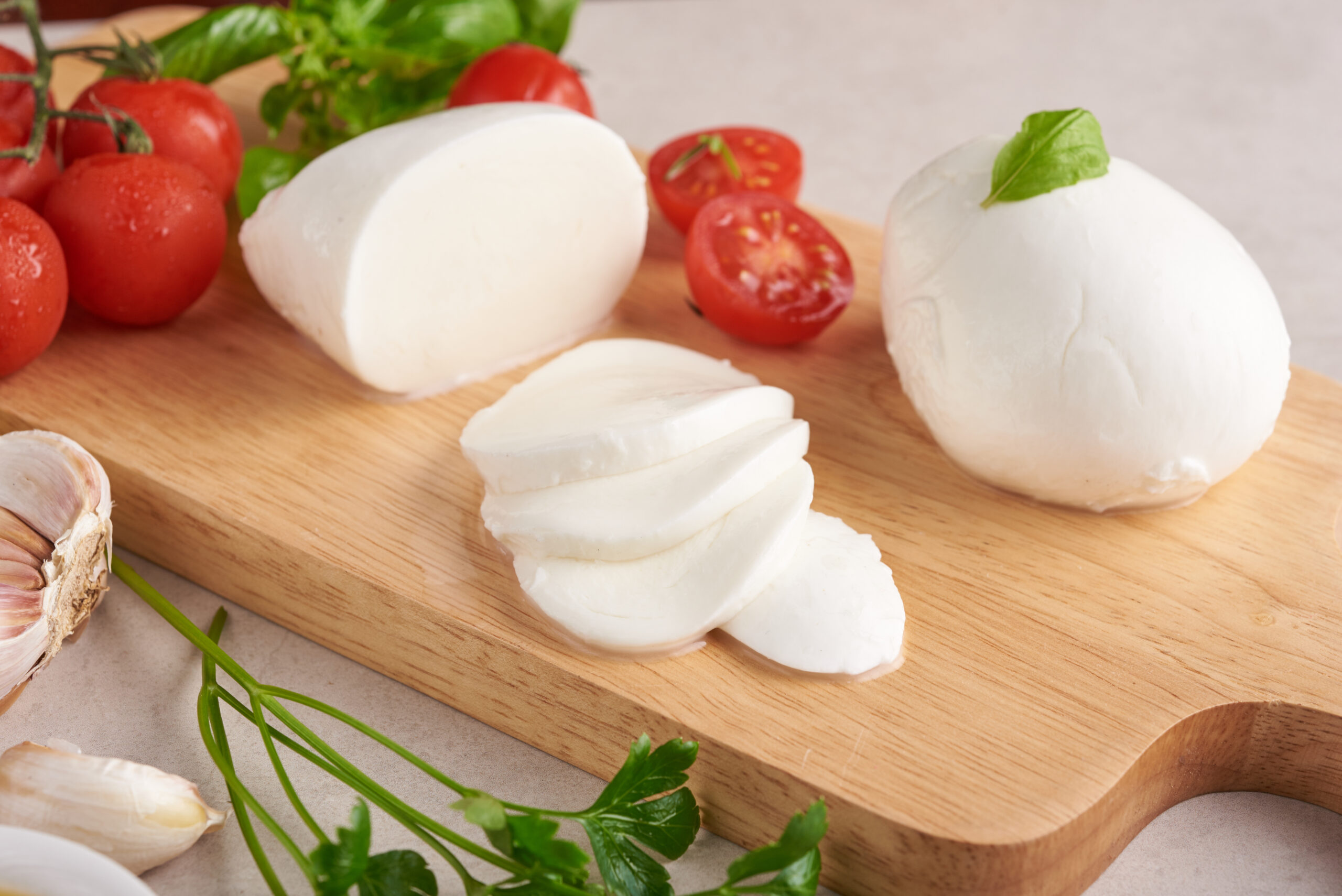
Fresh mozzarella cheese, Soft italian cheeses, tomato and basil, olives oil and rosemary on wooden serving board over light wooden background. Healthy food. Top view. Flat lay.
Italian cheese culture is as rich and diverse as the country’s cuisine itself. From the sharp and tangy Pecorino Romano to the creamy and delicate Mozzarella di Bufala, there’s a cheese to suit every palate.
Perhaps the most famous of all Italian cheeses is Parmigiano Reggiano, known simply as Parmesan to many. This hard, nutty cheese hails from the Emilia-Romagna region and is made from cow’s milk. It’s perfect for grating over pasta dishes, but can also be enjoyed on its own as a snack.
But Parmesan is just the tip of the cheese iceberg in Italy. The country is also home to countless other varieties, each with their own unique flavor and texture.
Take Gorgonzola, for example. This blue cheese hails from the Lombardy region and is made from cow’s milk. It’s aged for several months to develop its signature blue veins and has a sharp, tangy flavor that pairs perfectly with crusty bread or ripe pears.
Then there’s Burrata, a creamy and indulgent cheese that’s perfect for spreading on toast or using as a topping for pizza. Made from cow’s milk and cream, Burrata has a delicate flavor and a silky texture that melts in your mouth.
For something a little more robust, try Taleggio. This semi-soft cheese is made from cow’s milk and has a pungent aroma that might put some people off. But for those brave enough to try it, the flavor is rich and complex, with notes of earthiness and nuttiness.
Of course, no discussion of Italian cheese would be complete without mentioning Mozzarella. This soft, fresh cheese is made from the milk of water buffalo and has a delicate, slightly tangy flavor. It’s perfect for topping pizza or enjoying in a Caprese salad.
But what makes Italian cheese culture so special isn’t just the delicious cheeses themselves – it’s the entire experience of enjoying them. In Italy, cheese is often served as part of a larger meal, with each course carefully selected to complement the flavors of the cheese.
For example, a classic Italian cheese plate might include several different varieties, along with slices of prosciutto, olives, and fresh fruit. And when enjoying cheese, it’s customary to start with the milder varieties and work your way up to the stronger, to fully appreciate the depth and complexity of each cheese.
But perhaps the most important part of Italian cheese culture is the way it celebrates the country’s rich culinary traditions. From the rolling hills of Tuscany to the bustling streets of Naples, cheese is an integral part of the Italian way of life, connecting people through a shared love of food and community.
So if you’re a cheese lover, there’s no better place to be than Italy. From the vineyards of Chianti to the cobblestone streets of Rome, this beautiful country is a treasure trove of delicious cheeses and culinary delights. So grab a glass of Chianti, sit back, and get ready to savor the rich and varied flavors of Italian cheese.
Swiss Cheese or Sweet Dreams? The Hole-y Grail of Dairy Delights Awaits You in Switzerland!

A closeup shot of a block of gourmet swiss cheese on a wooden board
When it comes to cheese, Switzerland is a true heavyweight. This small, mountainous country is famous for its Alpine landscapes, cuckoo clocks, and of course, its delicious cheeses. With a cheese-making tradition dating back centuries, Switzerland has a rich and diverse cheese culture that is sure to tantalize any cheese lover’s taste buds.
One of the most famous Swiss cheeses is Emmental, also known as Swiss cheese in many parts of the world. This cheese is recognizable by its distinctive holes, which are created by carbon dioxide released during the cheese-making process. Emmental has a nutty, slightly sweet flavor that pairs perfectly with a crisp white wine or a hoppy beer.
But Swiss cheese is far from the only variety on offer in this cheese lover’s paradise. There’s also Gruyere, a semi-hard cheese with a slightly fruity flavor that’s perfect for melting over fondue. And speaking of fondue, no trip to Switzerland would be complete without trying this iconic dish. Made by melting cheese in a communal pot and dipping pieces of bread into it, fondue is a quintessential Swiss experience that’s perfect for sharing with friends and family.
For something a little more pungent, try Tete de Moine, a semi-hard cheese with a floral, nutty flavor. This cheese is traditionally shaved into thin curls using a special tool called a girolle and is often served as a snack or appetizer.
And then there’s Raclette, a cheese that’s often melted over potatoes and served with pickles and charcuterie. This cheese has a rich, creamy flavor that’s perfect for cold winter nights, and its unique texture makes it a true standout in the world of cheese.
But Swiss cheese culture isn’t just about the delicious cheeses themselves – it’s also about the unique traditions and customs that have grown up around them. For example, in the canton of Appenzell, it’s customary to eat cheese with a spoon rather than a knife, as a sign of respect for the cheese and the people who make it.
Switzerland is also home to countless cheese festivals and events, including the Alpabfahrt, or cow parade, which takes place each autumn. During this event, cows are led down from the mountains to the valleys, where they are greeted by cheering crowds and plenty of cheese-based snacks.
But what truly sets Swiss cheese culture apart is the way it reflects the country’s deep connection to its natural environment. Swiss cheese makers take pride in using only the highest-quality milk from cows that graze on Alpine pastures, and many cheeses are aged in caves and cellars that are carved into the mountains themselves.
This commitment to tradition and quality is what makes Swiss cheese so special, and it’s what draws cheese lovers from around the world to this beautiful country. So whether you’re savoring a fondue in a cozy chalet or sampling a variety of cheeses at a local market, one thing is certain – in Switzerland, cheese truly is king.
Gouda Vibes Only: How the Netherlands Became the Cheddar of Cheese Lovers Everywhere

cheese cuts places on wooden cutting boards
the Netherlands may not be the first country that comes to mind, but it is actually a cheese lover’s paradise. With a long history of cheese making and a wide variety of delicious cheeses, the Netherlands is a must-visit destination for anyone who loves cheese.
One of the most famous Dutch cheeses is Gouda, a semi-hard cheese with a creamy, nutty flavor. Gouda is named after the city of Gouda in the western part of the country, where it has been produced for centuries. It’s a versatile cheese that can be eaten on its own or melted over sandwiches, and it comes in a variety of flavors and ages, from young and mild to aged and crumbly.
Another popular Dutch cheese is Edam, a semi-hard cheese that is often sold in small, round wheels. Edam has a mild, slightly salty flavor and a distinctive red wax rind that makes it instantly recognizable. It’s often served with crackers or bread and is a staple of Dutch cheese platters.
For something a little more unusual, try Maasdam, a semi-hard cheese that has a distinctive holey texture similar to Swiss cheese. Maasdam has a nutty, slightly sweet flavor that makes it a great addition to salads and sandwiches, and its unique texture makes it a conversation starter at any dinner party.
But Dutch cheese culture isn’t just about the cheeses themselves – it’s also about the unique customs and traditions that have grown up around them. For example, every year in Alkmaar, a city in the north of the country, a traditional cheese market is held where cheese is traded just as it has been for centuries. The cheese is transported to the market on traditional cheese carriers called “kaasbrikken”, and buyers and sellers haggle over the price while wearing traditional costumes.
And then there’s the Dutch cheese museum in Alkmaar, which is dedicated to the history and culture of Dutch cheese making. The museum has a vast collection of cheese-related artifacts, from antique cheese-making equipment to cheese labels and advertisements from years gone by. Visitors can even sample a variety of Dutch cheeses and learn about the cheese-making process. Another great place is the Kaaspakhuis Woerden (Cheese Warehouse).
But perhaps the most unique aspect of Dutch cheese culture is the cheese carriers, or “kaasdragers”, who transport the heavy cheese wheels from the warehouses to the markets. These carriers wear traditional costumes and carry the cheese wheels on their shoulders, singing traditional songs as they go. It’s a unique and colorful sight that’s sure to delight any cheese lover.
In the Netherlands, cheese is more than just a food – it’s a way of life. From the traditional cheese markets to the colorful cheese carriers, Dutch cheese culture is steeped in history and tradition, and it’s a true joy to experience. So whether you’re sampling a variety of cheeses at a local market or touring a cheese museum, one thing is certain, you won’t be disappointed with the cheesy selection.
Ole! Cheese, Please! Spain’s Fiery Flavors are Manchego-ing Us Crazy for More
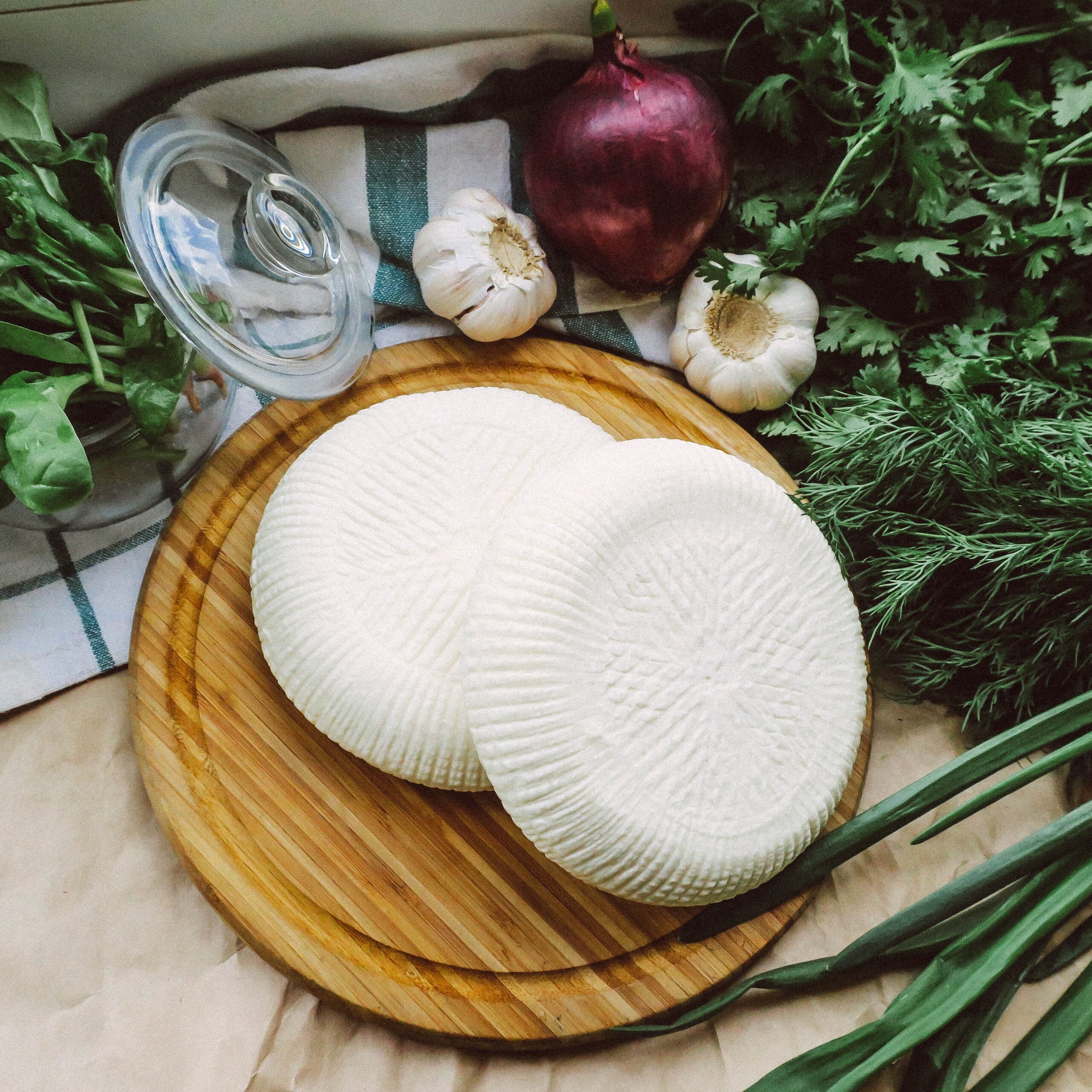
When it comes to culinary delights, Spain is perhaps best known for its paella, tapas, and sangria. But what many people don’t realize is that Spain is also home to a wide variety of delicious cheeses. From tangy blues to creamy, mild goat cheeses, Spain has something to offer every cheese lover.
One of the most famous Spanish cheeses is Manchego, a sheep’s milk cheese that hails from the La Mancha region of the country. Manchego is a semi-hard cheese with a nutty, slightly tangy flavor and a firm texture. It’s often served with quince paste or honey, and pairs well with a variety of Spanish wines.
Another popular Spanish cheese is Cabrales, a blue cheese made from a mixture of cow’s, goat’s, and sheep’s milk. Cabrales has a pungent, tangy flavor with a creamy texture and a blue-green marbled appearance. It’s a strong cheese that’s best served in small portions, and pairs well with dried fruit and nuts.
For something a little milder, try Murcia al Vino, a goat’s milk cheese that is bathed in red wine during the aging process. This gives the cheese a slightly sweet, fruity flavor and a deep purple rind. Murcia al Vino is often served with crusty bread and a glass of red wine.
But perhaps the most unique Spanish cheese is Torta del Casar, a soft-ripened cheese made from sheep’s milk. Torta del Casar has a gooey, creamy texture and a rich, buttery flavor that is perfect for spreading on crackers or bread. It’s traditionally served by cutting off the top of the cheese and scooping out the interior with a spoon, making it a fun and interactive addition to any cheese board.
One of the best places to sample Spanish cheese is at a local market or tapas bar. The Mercado de San Miguel in Madrid is a popular destination for foodies, with dozens of stalls selling everything from cured meats to olives to artisanal cheeses. And in cities like Barcelona and Seville, tapas bars often feature a variety of local cheeses on their menus.
But perhaps the most unique way to experience Spanish cheese culture is by visiting a cheese cave. The region of La Mancha is home to a number of natural caves that are used for aging cheese, and many of these caves are open to visitors. Here, you can see the cheese aging process up close and even sample some of the cheese straight from the cave.
In Spain, cheese is more than just a food – it’s a part of the country’s rich culinary heritage. From traditional sheep’s milk cheeses to innovative new creations, Spanish cheese culture is diverse and delicious, and it’s a must-try for any food lover.
Cheese, Love, and Happiness: How a Simple Slice of Dairy United Five Countries and Won Our Hearts
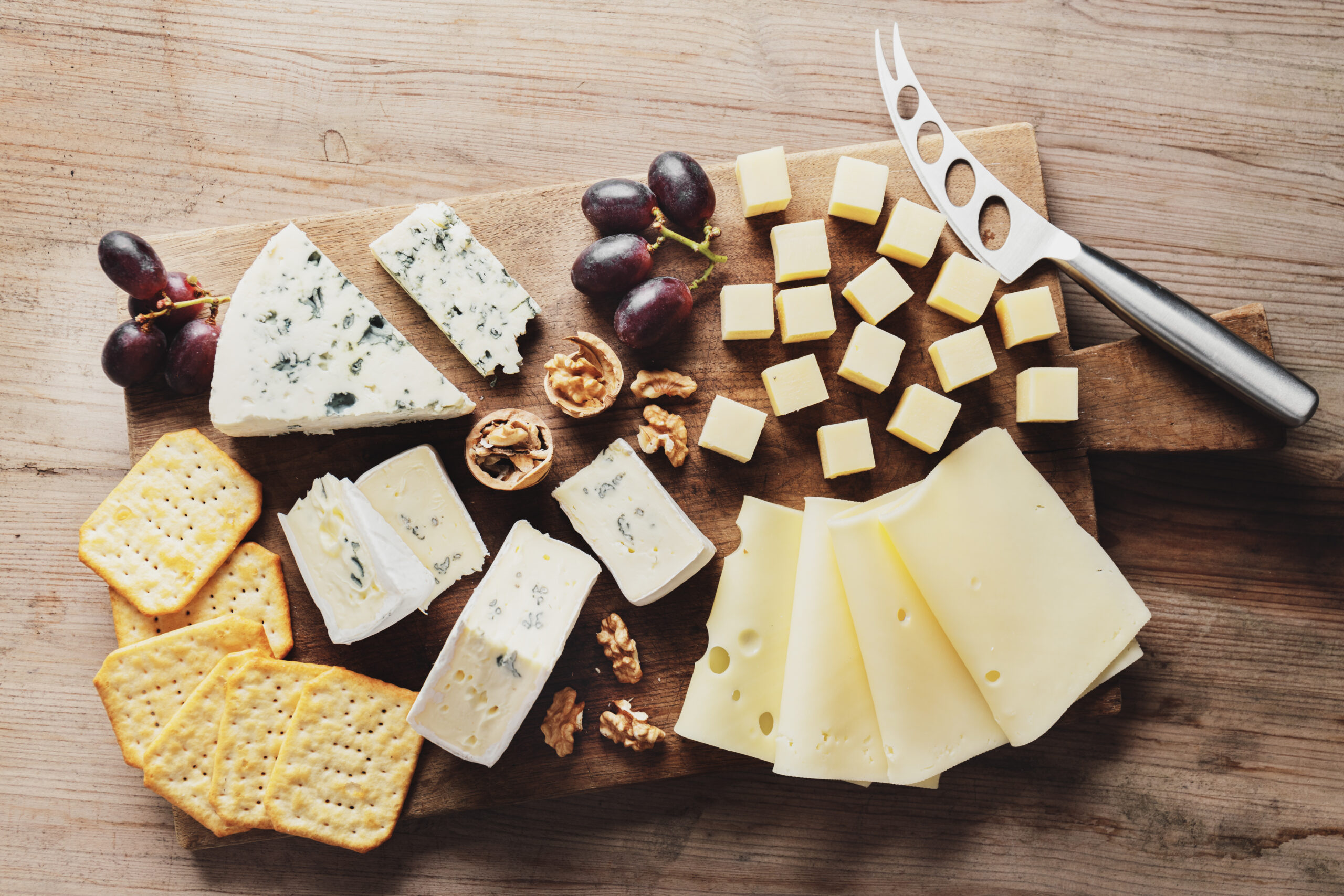
Cheese plate with different arts of cheese grape and nuts served on wooden board.
As we conclude our journey through the top five countries to move to if you love cheese, we can’t help but be in awe of the culinary delights that await in these destinations. From the bold and complex flavors of French cheese to the creamy and indulgent creations of Italy, the Netherlands, Switzerland, and Spain, cheese is truly a universal language that brings people together.
Each of these countries has their own unique cheese-making traditions, and their cheeses reflect the local terroir, culture, and history. From the lush green pastures of Switzerland to the sun-drenched hills of Spain, every bite of cheese tells a story.
And yet, despite the differences, there is one thing that unites all of these cheeses – the love and passion that goes into making them. Cheesemakers around the world take pride in their craft, using traditional techniques and the best possible ingredients to create cheeses that are truly exceptional.
In the end, it’s not just about the cheese itself – it’s about the people who make it, the communities that surround it, and the connections that it fosters. Whether you’re savoring a slice of Gouda in Amsterdam or a wedge of Roquefort in rural France, cheese has the power to bring people together, to spark conversations, and to create memories that will last a lifetime.
So let us raise a glass of wine or a mug of beer to the humble cheese, and to the countries that produce some of the best in the world. From the rolling hills of Tuscany to the winding canals of Amsterdam, cheese is a treasure that we can all appreciate and enjoy.
Cheese is one of the great wonders of the world. It’s a food that transcends culture, language, and even time itself. So let us savor every bite, cherish every moment, and never forget the power of cheese to bring joy, connection, and delight into our lives.”


0 Comments