
Land of the happy, floor traps for adults called Lego and the word “please” doesn´t exist in a sentence, but they do have a word for that ‘cosy feeling of togetherness’. Denmark is a very open minded country, known for it´s liberalism. Despite having one of the highest taxes in the world, 25% sale taxes and up to 45% income taxes, 90% of the country are happy to pay it considering what they get in return. Denmark is also #2 on the Good Country index.
Denmark has just over 5.8 million people and is a constitutional monarchy and the Queen Margarethe II is the head of state. The Danish government is a parliamentary democracy. The country is known for its high quality of life, and its citizens enjoy a number of benefits, including free education, healthcare, and subsidized daycare.
Denmark also has a well-developed social safety net, which ensures that its citizens have a high level of economic security. In addition, the Danish government has made a number of environmental initiatives to make the country more sustainable.
People of Denmark are known by the name Danes. The majority of them speak Danish and a minority speaks English, German or Swedish. Denmark is a member of the European Union, NATO and OECD. The country has the Danish Realm, which is an official institution that consists of a number of independent sub-national jurisdictions.
So if this sounds interesting to you, then lets dive a little deeper into this fascinating nation and see if this is a spot you would be willing to move to or at least see yourself traveling too in the near future.

How is it to live in Denmark?
The climate in Denmark is temperate with mild winters and cool summers. The official language is Danish, but English is also widely spoken. The life expectancy in Denmark is 78 years for men and 82 years for women. Healthcare in Denmark is free for all residents, including dental care and prescription drugs. Education in Denmark is also free, from pre-school through university level.
The unemployment rate in Denmark was 4.8% in 2021 and the average wage was 40,600 kroner per month (or about US$5500 per month).
How to move to Denmark, what do you need?
In order to move to Denmark, there are a few things you will need. The first is a valid passport from your country of origin. You will also need to have a visa, unless you are from an EU or EEA country. You must also have a permit from the Danish Immigration Service in order to reside in Denmark.
In addition, you will need proof of health insurance and enough money to support yourself financially for at least your first three months in the country. Many people move to Denmark for work or study, but there are other options too. If you will be moving alone, you can move to Denmark using the Danish Family Reunification Act. In order to qualify for this type of visa, you must have a family member in Denmark.

People of Denmark
The people of Denmark are considered to be some of the happiest in the world. This is likely due to the fact that Denmark has one of the highest standards of living in the world and offers its citizens a number of social benefits, such as free healthcare and education.
The Danish government also invests heavily in renewable energy sources, which has helped make Denmark one of the most eco-friendly countries on earth. Danish culture is quite similar to the Swedish culture, with a strong emphasis on equality and democracy. The Danes also have a reputation for being fairly laid back, which could explain why they are some of the happiest in the world.
Housing (rent vs. buying) in Denmark
In Denmark, there are two main ways to get housing: rent or buy. The rent vs. buy debate is one that is constantly talked about, with people on both sides having strong opinions. Some people say it’s always better to buy, while others say renting is the way to go. Let’s take a look at both sides of the argument and see what makes the most sense for Denmark.
Buying a house in Denmark
When you are looking to buy a house in Denmark, there are a few things you need to keep in mind. The first thing is that the market is competitive, so be prepared to compete with other buyers. The second thing is that there are certain rules and regulations that you must follow when buying a house in Denmark.
Make sure you are familiar with these rules before making an offer on a house. For example, you will have to have a bank account in Denmark before you can purchase a property.
To acquire a home in Denmark, you must put down a minimum of 5% of the purchase price. You can add more, if desired. It must come from your capital.
The housing market in Denmark is stable and has been for a number of years. This stability is due, in part, to the fact that the Danish government has a number of regulations in place that help to keep prices from becoming too inflated. For example, there are restrictions on how much banks can lend for mortgages, which helps to keep demand and prices in check. In addition, the government also offers subsidies to first-time home buyers, which helps to make buying a home more affordable.
In Denmark, social housing is subsidized by the government to ensure that all citizens have access to affordable homes. There are two types of social housing: cooperative and municipal. The majority of Danish social housing is cooperative, meaning that residents own their homes and share in the responsibility for maintaining the property. Municipal social housing is owned and managed by the local government. Both types of social housing are available to low- and middle-income families.
But, what are Ejer and Andels?
There is a lot of talk these days about the pros and cons of becoming an ejer or andelsbolig owner. Both have their benefits, but which one is right for you? Here is a look at the key differences between the two types of properties:
An ejerlejlighed is owned by an individual, while an andelsbolig is owned by a co-operative. This means that when you buy an ejerlejlighed, you are buying the property and all the rights that come with it – including the right to rent it out or sell it. With an andelsbolig, on the other hand, you are buying into a co-operative, and only have the right to live in the property – you cannot rent it out or sell it without permission from the other shareholders.
For more indepth reading about this, here is a huge article explaining this in detail; https://marioscian.medium.com/buying-an-apartment-in-denmark-as-a-foreigner-all-you-need-to-know-b66a9876a13
Renting in Denmark
In Denmark, it is common to rent an apartment rather than buy a home. This is likely due to the high cost of purchasing real estate in the country. Renting offers residents a number of benefits, including flexibility and convenience. It is also a great way to meet new people and make new friends.
In small towns and in the countryside, it can be simpler to find affordable accommodations than in large cities, such as Copenhagen as well as Aarhus.
There are generally two options when it comes to renting, private or a housing association. Several housing associations can be found in Denmark, offering many kinds of apartments, condominiums, and homes made with public funding. The rent is usually significantly lower than for other types of accommodation, but are often difficult to obtain for foreign nationals as they are reserved on an official waiting list.
It’s also common for people to share apartments, so you may want to consider looking for a roommate if you’re not comfortable living with complete strangers.
However, this varies depending on the city and the size and location of the apartment. You should also be aware that most apartments require a deposit equal to one month’s rent. In addition, most apartments are not furnished.

Education, kindergartens and cost in Denmark
In Denmark, all children have the right to attend a kindergarten, regardless of their parents’ income. This is a great advantage for Danish families because it means that kids can start their education at an early age and get a head start on their peers in other countries.
Cost of kindergartens in Denmark
In Denmark, there is a great emphasis on early childhood education. In fact, pre-school and kindergarten are both compulsory for children aged 3-6 years old. The government heavily subsidizes kindergartens, making the cost very affordable for parents.
Kindergartens in Denmark provide an excellent early education and prepare children for elementary school.
Higher education in Denmark
Higher education in Denmark is free for students and subsidized for employers. The country has a strong emphasis on vocational education and training, with more than half of Danish adults having participated in VET programs. The system is internationally respected, with many top universities located in Denmark.
Cost of education in Denmark
Education in Denmark is free for students between the ages of 18 and 26. There are no tuition fees charged at any of the country’s universities or colleges. However, students are required to pay a small fee to cover their expenses such as books, transportation, and food.
The cost of living in Denmark is high, so many students find it necessary to work while they’re attending school. Despite the expenses, most Danish students feel that the cost of education is worth it because of the high-quality education system and the many opportunities available to them once they graduate.
Healthcare in Denmark
In Denmark, all citizens have the same access to healthcare, no matter what their income is. Healthcare is free at the point of service, and there is no co-payment for prescriptions or doctor visits. The system is funded by a combination of taxes and public health insurance premiums.
Danish healthcare is considered to be of high quality. The system is also very efficient; in 2008, it was ranked as the second most cost-effective healthcare system in the world.
In Denmark, the citizens are required to purchase health insurance. This insurance is provided by the government, specifically the Ministry of Health. Anyone who is covered under the public health system must buy private health insurance if they want to receive treatment in a private hospital or clinic.
What about dental care in Denmark?
Dental care in Denmark is mostly free for everyone. You don’t have to pay for check-ups, cleaning, or X-rays, and most dental procedures are also free. If you do need to see a dentist, you can either go to the public health service or see a private dentist. The public health service offers a wide range of services, from basic check-ups to more complex procedures and so on.
How is it to work in Denmark?
Denmark has a thriving economy and a low unemployment rate. The Danish labor market is regulated by the government, which sets rules for hiring and firing employees.
The Danish labor market is very competitive, and it can be difficult to find a job in Denmark. However, the pay and benefits are good, and the work culture is relaxed and friendly.
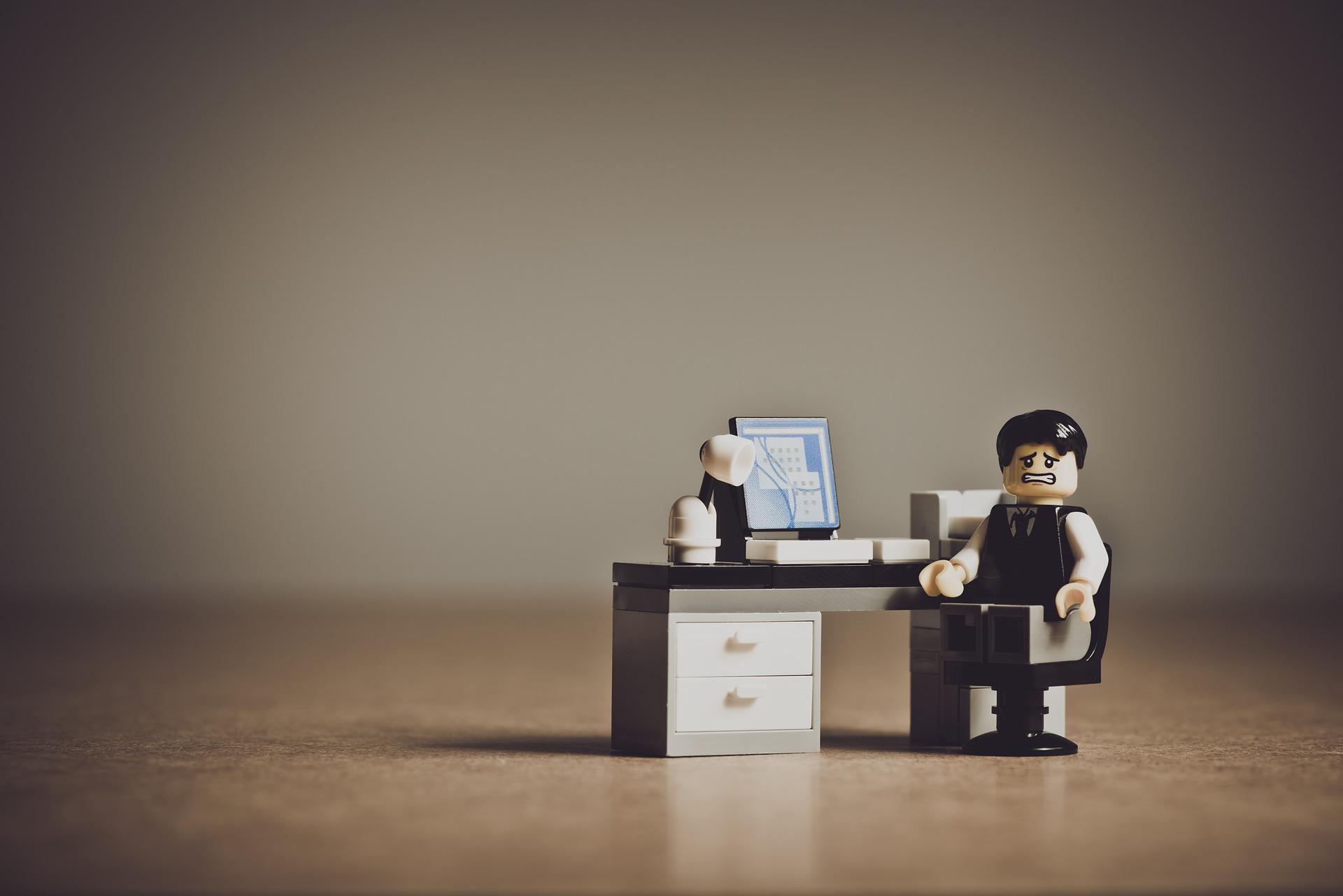
How do I get a job in Denmark?
Before you can land a job in Denmark, you need to know what it takes to get a work visa.
In order to qualify for a work visa, you’ll need to have a valid job offer from a Danish company. The company will need to provide an employment contract and proof that they’ve been unable to find a suitable candidate from within the EU or Nordic countries.
You’ll also need to meet certain educational requirements and pass a language test. The most common languages tested are Danish, Swedish, Norwegian, and English. Once you’ve met all the requirements, you can apply for your work visa at your nearest Danish embassy or consulate.
Great place to start searching is for example at https://www.jobnet.dk.
10 Fun facts about Denmark
Now, as we know, reading through all of this can leave you somewhat stressed, so lets unwind a little bit and have a look at fun and quirky things about Denmark.
1. Denmark has the world’s lowest Gini coefficient, which measures income inequality. In other words, the distribution of wealth in Denmark is more even than anywhere else in the world.
2. The Danish word “hygge” has no direct English translation, but it refers to a sense of coziness and comfort that comes from spending time with friends and family.
3. The danish flag, or Dannebrog, is the oldest flag in the world, first documented in the year 1219.
4. The iconic Little Mermaid statue, which sits on the shore of Copenhagen, is a national symbol of Denmark.
5. Denmark doesn´t actually have any mountains, one of their highest natural point being Himmelbjerget which is about 147 meters above sea level, which makes Denmark ideal for cycling.
6. Copenhagen is home to Noma, one of the most highly regarded restaurants in the world.
7. Jelling Stones are memorial stones that were erected by King Canute the Great around 1150, who ruled Denmark between 1018 and 1035.
8. Denmark has the oldest ammusment park in the world or Bakken, the second oldest is the Tivoli gardens.
9. Lego originated from Denmark.
10. Copenhagen is home to one of the oldest still-operating public libraries in the world, founded in 1648.


0 Comments